
This article introduces the working principle, system components, key advantages, and typical applications of medium frequency induction furnaces.
2026-05-17
More
A medium frequency induction melting furnace delivers high thermal efficiency, precise temperature control, and rapid melting for ferrous and non-ferrous metals. MONTE INTELLIGENCE engineers medium frequency induction melting furnaces for foundries, steel mills, and metal recycling operations worldwide. Growing global demand for energy-efficient production drives medium frequency induction melting furnace adoption across Africa, Middle East, and Southeast Asia.
[Image 1: 1-ton medium frequency induction melting furnace — hydraulic tilting, IGBT power supply. Alt: MONTE INTELLIGENCE industrial induction melting furnace]
A medium frequency induction melting furnace operates through electromagnetic induction. Alternating current passing through a water-cooled copper coil generates a powerful magnetic field inside the furnace crucible. The magnetic field induces eddy currents within charged metal materials, producing rapid and uniform heating through Joule effect resistance. Unlike fuel-fired furnaces, medium frequency induction melting generates heat directly inside the metal charge rather than transferring heat through a refractory wall from an external flame source.
Medium frequency induction melting furnaces typically operate in the 150-10,000 Hz frequency range. Lower frequencies deliver deeper electromagnetic penetration for large-capacity melting. Higher frequencies suit smaller batches and precious metal melting where surface heating precision matters most. MONTE INTELLIGENCE configures frequency parameters based on specific metal types and crucible dimensions for each customer application.
The medium frequency furnace power supply converts standard 50/60 Hz electricity to medium frequency output through IGBT inverter technology. Modern IGBT-based medium frequency induction melting furnaces achieve conversion efficiency exceeding 96%, substantially reducing operating costs per ton of molten metal produced. Advanced digital DSP control enables precise power ramp-up and automatic frequency tracking for optimal energy transfer.
Steel foundries use medium frequency induction melting furnaces for carbon steel, alloy steel, and stainless steel castings with precise composition control. Scrap recyclers deploy medium frequency induction melting furnaces to convert shredded steel, cast iron, and non-ferrous metals into reusable ingots. Aluminum and copper manufacturers rely on medium frequency induction melting furnaces for rapid melting with minimal gas absorption and dross formation.
Precious metal refiners select medium frequency induction melting furnaces for gold, silver, and platinum group metal processing where melt cleanliness and minimal material loss prove critical. The electromagnetic stirring inherent to induction melting ensures homogeneous alloy composition without manual intervention. Automated temperature monitoring maintains pouring temperature within ±5°C tolerance for precision casting applications.
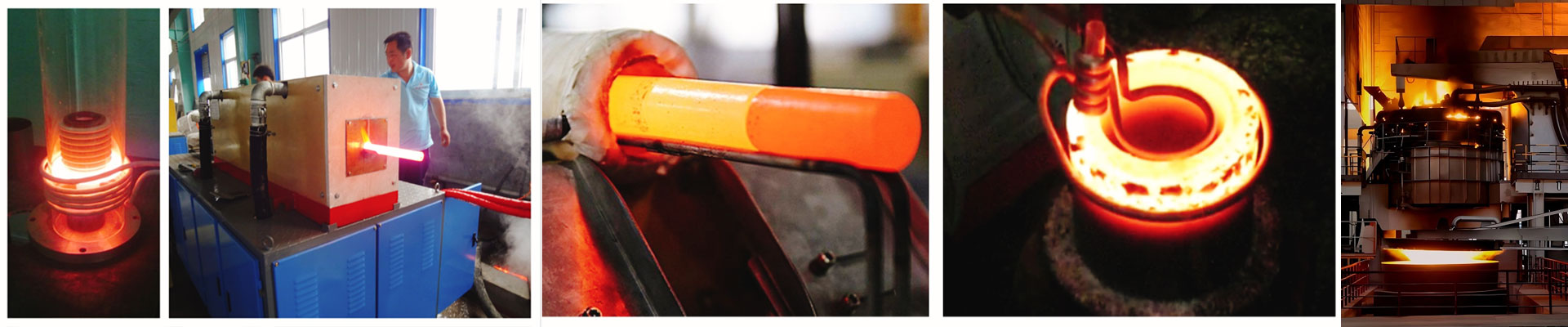
Induction heating equipment extends beyond melting to industrial heat treatment and forging. Induction heating equipment performs surface hardening, through-hardening, and tempering of gears, shafts, bearings, and automotive components. Induction heating equipment supports hot forging by heating billets to precise forging temperatures within seconds, achieving cycle times far faster than gas-fired furnace alternatives. Explore MONTE INTELLIGENCE induction heating equipment for detailed specifications.
[Image 2: Induction heating equipment — billet heating with automated feed. Alt: MONTE INTELLIGENCE induction billet heater]
Medium frequency induction melting furnaces deliver measurable advantages compared to cupola furnaces, electric arc furnaces, and gas-fired crucible furnaces. Energy consumption ranges 550-650 kWh per ton of steel melted — approximately 30% less than electric arc furnace consumption of 800-900 kWh per ton. Lower energy input translates to reduced operating costs and smaller carbon footprint per ton of finished metal.
Melting speed represents another significant medium frequency induction melting furnace advantage. A 1-ton medium frequency furnace completes a full melt cycle in 45-60 minutes, while equivalent fuel-fired furnaces require 2-3 hours. The faster melting cycle increases daily throughput by 50-100% depending on metal type and charge material density. Medium frequency furnace operations achieve metal oxidation loss of only 1-2% compared to 5-8% in traditional cupola melting.
Environmental compliance distinguishes medium frequency induction melting furnaces from fossil fuel alternatives. Induction melting generates zero combustion emissions, eliminating SOx, NOx, and particulate matter. The enclosed crucible design captures fumes for efficient baghouse filtration. Lower ambient noise and reduced radiant heat improve operator working conditions compared to open-flame furnace environments.
MONTE INTELLIGENCE (Luoyang Monte Intelligent Technology Co., Ltd.) manufactures a comprehensive range of medium frequency induction melting furnaces spanning capacities from 50 kg laboratory units to 30-ton production systems, with power ratings from 35 kW to 15,000 kW. Standard configurations include fixed-body, hydraulic tilting, and steel-shell furnace designs with crucible options in silica, alumina, or magnesia refractory linings tailored to specific metal types.
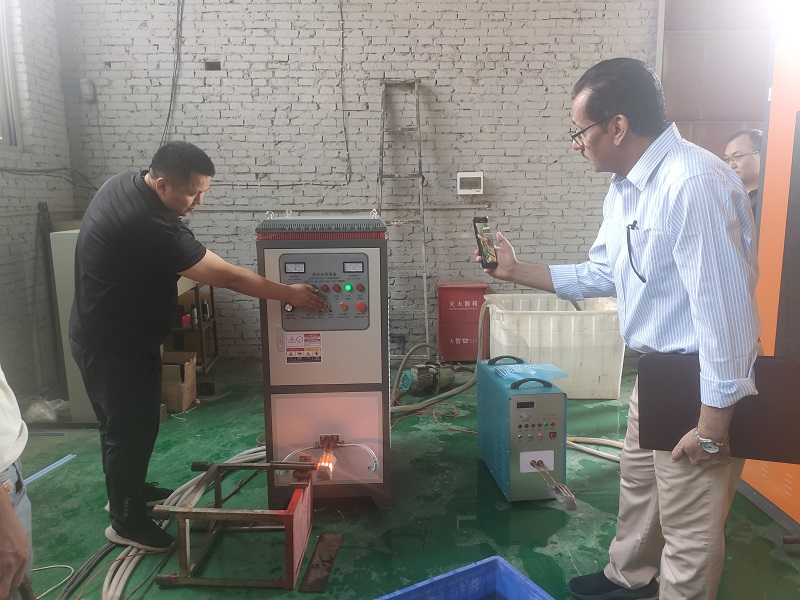
MONTE INTELLIGENCE induction melting furnace systems feature IGBT-series resonant power supplies with digital DSP control, hydraulic tilting mechanisms, PLC touchscreen HMI control panels, and closed-loop water cooling with temperature and flow monitoring. Every MONTE INTELLIGENCE medium frequency furnace undergoes rigorous factory acceptance testing before shipment to ensure reliable commissioning at customer facilities worldwide.
View complete medium frequency furnace product specifications at MONTE INTELLIGENCE Melting Furnace Products. For induction heating equipment details, visit Induction Heating Machine Product Page. Contact the MONTE INTELLIGENCE engineering team for customized configurations matching specific production throughput and metal type requirements.
[Image 3: MONTE INTELLIGENCE factory — medium frequency furnace assembly and quality testing. Alt: MONTE INTELLIGENCE induction melting furnace factory]
Selecting the optimal medium frequency induction melting furnace requires evaluating key technical parameters. Melting capacity determines crucible size, power supply rating, and overall furnace dimensions. MONTE INTELLIGENCE technical engineers help match medium frequency furnace specifications to production targets, available floor space, and utility infrastructure constraints.
Metal type and melting temperature influence refractory lining selection and power configuration. Steel melting at 1,450-1,650°C requires silica or alumina-based crucibles. Aluminum melting at 700-750°C uses silicon carbide or graphite crucibles. Copper alloy melting at 1,050-1,200°C demands specialized refractories resistant to chemical attack. MONTE INTELLIGENCE recommends appropriate lining materials based on decades of process experience.
IGBT-based power supplies offer higher efficiency at partial loads, wider frequency adjustment, and simpler maintenance compared to older SCR technology. MONTE INTELLIGENCE recommends IGBT systems for most medium frequency furnace installations. Buyers should evaluate total system integration — including water cooling, fume extraction, charging systems, and PLC controls — rather than comparing individual component prices.
[Image 4: HMI control panel — real-time power, temperature, frequency monitoring. Alt: MONTE INTELLIGENCE medium frequency furnace PLC touchscreen]
MONTE INTELLIGENCE provides complete installation supervision, commissioning, and operator training for all medium frequency induction melting furnace deliveries. MONTE INTELLIGENCE field engineers oversee foundation preparation, equipment assembly, electrical connections, and water system installation at customer sites worldwide. Operator training programs cover normal operation, emergency procedures, refractory maintenance, and basic troubleshooting.
MONTE INTELLIGENCE supplies genuine spare parts, refractory materials, power semiconductors, and remote technical support for the full medium frequency furnace service life of 15-20 years. Medium frequency induction melting furnace technology continues advancing with SiC and GaN power semiconductors, AI-enhanced optimization, and larger single-unit capacities. MONTE INTELLIGENCE medium frequency furnaces deliver reliable performance for foundries and recyclers across Africa, Middle East, South Asia, and Southeast Asia.
Contact MONTE INTELLIGENCE Technical Sales Director Helen Xu for a proposal tailored to production requirements and site conditions:
Email: helenxu@cnlymonte.com
Website: www.cnlymonte.com
Response within 24-48 hours. Urgent inquiries: add "PRIORITY" to subject line.
Prepared by MONTE INTELLIGENCE engineering team led by Helen Xu, Technical Sales Director — 15+ years induction furnace design across 20+ countries.
By MONTE INTELLIGENCE Engineering Team | Technical Review by Helen Xu, Senior Metallurgical Engineer
When a Malaysian steel recycler switched from a coke-fired cupola to a 3-ton medium frequency induction melting furnace in early 2025, the numbers convinced the board to retrofit the second line within six months. Electricity consumption for the melting step dropped 28% in the first quarter. Tap-to-tap time went from 90 minutes to under 45.
That facility is not unusual. Across Southeast Asia, the Middle East, and parts of Eastern Europe, medium frequency induction melting technology is reshaping how foundries and recycling operations approach metal production. The shift is driven by hard economics: rising energy prices, tightening emissions standards, and a scrap metal supply chain that demands more flexible melting solutions.
This guide covers what buyers actually need to know before investing in a medium frequency induction melting furnace — the engineering and financial details, not the marketing version.
A medium frequency induction melting furnace generates heat directly within the metal charge using electromagnetic induction. The power supply converts grid electricity into alternating current at frequencies between 100 Hz and 10,000 Hz. This current flows through a water-cooled copper coil surrounding a refractory-lined crucible, creating a rapidly oscillating magnetic field.
The "medium frequency" designation matters. It occupies the practical middle ground between power density and melt quality. Mains-frequency (50–60 Hz) systems produce deeper stirring but slower initial heating. High-frequency systems (above 10 kHz) heat thin materials efficiently but struggle with bulk steel or iron melting. Medium frequency delivers rapid heat-up with controllable stirring action, which is why it dominates industrial-scale ferrous and non-ferrous melting applications.
The operating cycle follows four stages: charging scrap or ingots into the crucible; applying power and allowing the electromagnetic field to heat the charge from within; melting and refining with controllable electromagnetic stirring that homogenizes temperature and composition; and tapping via hydraulic tilt mechanisms with pour rates accurate to within 2% of target weight. A complete tap-to-tap cycle for a 1-ton steel melt typically runs 60 to 75 minutes under normal operating conditions.
Most equipment specification sheets lead with power capacity and melting rate. Those numbers matter, but they are not what determines whether an installation actually delivers return on investment over a five- or ten-year period.
A 1-ton medium frequency induction melting system with power supply, furnace body, cooling system, and basic automation typically ranges from USD 50,000 to 85,000. A 5-ton system with full automation, hydraulic charging, and fume extraction falls between USD 200,000 and 380,000. A 10-ton or larger installation, including civil works and electrical infrastructure upgrades, commonly reaches USD 550,000 to 1,200,000.
For operating costs, electricity typically accounts for 55–65% of total operating expense, at a real-world consumption rate of 550–650 kWh per ton of steel. Refractory maintenance (crucible relining every 80–120 heats) accounts for 12–18%. Modern IGBT-based power supplies achieve 92–95% efficiency, compared to 85–90% for older SCR designs, and the efficiency difference can offset the higher upfront cost of IGBT systems within 18–36 months in commercial power environments.
Suppliers routinely cite ideal laboratory conditions: 520 kWh per ton for steel melting, for instance. Real-world figures in continuous production typically run 10–25% higher depending on charge material variability, heat losses during delays, and cooling system electrical load. A well-managed foundry achieving 600–650 kWh per ton for steel is performing within a realistic, respectable range.
Steel Scrap Recycling is the fastest-growing application segment globally. The economics are straightforward: processed scrap steel typically costs 40–60% less than virgin pig iron, and induction melting processes it with lower direct emissions than electric arc furnaces using the same feedstock. A Thai steel service center operating two 5-ton induction furnaces reported processing approximately 28,000 tons of scrap annually with an average energy cost of USD 41 per ton of melted steel.
Foundry and Casting Operations benefit from rapid alloy changeover without cross-contamination risk — a complete drain and reline cycle takes 2–3 hours versus a full shift or more for EAF refractory conditioning. Non-ferrous Metal Melting (aluminum, copper, brass, zinc alloys) responds well when the operating frequency is properly matched to the material's electrical properties.
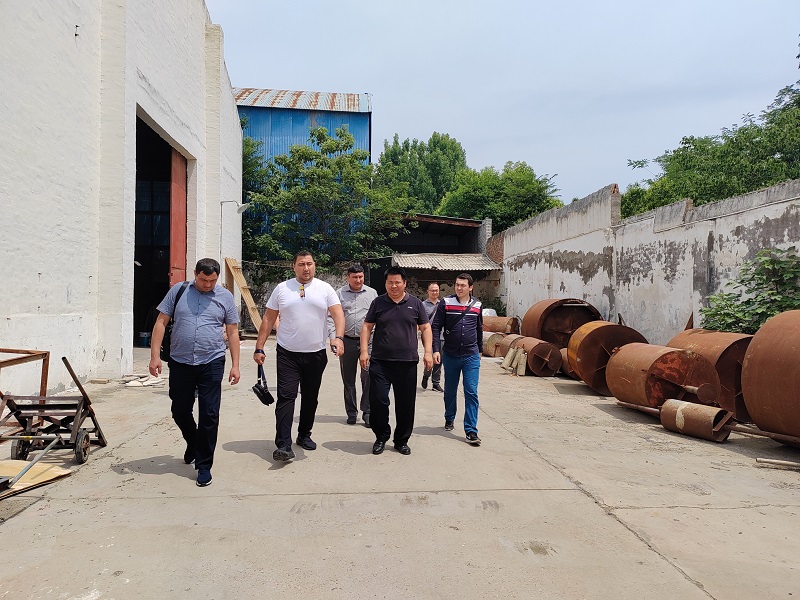
MONTE INTELLIGENCE (洛阳蒙特智能科技有限公司) has been designing, manufacturing, and commissioning industrial furnace systems from our engineering center in Luoyang, China for over a decade. Our medium frequency induction melting furnace product line covers 100 kg to 30-ton nominal capacities with both IGBT and SCR power supply options.
Our engineering approach prioritizes total cost of ownership over the equipment's service life, not just the purchase price. Every system design begins with a structured analysis of the customer's specific production requirements before we recommend a configuration. This is not a catalog business where one size is presented as suitable for every application.
Recent installations include a 5-ton steel melting system for an automotive components foundry in Turkey, a 2-ton aluminum melting system for a die casting operation in Indonesia, and a 10-ton scrap recycling system for a steel service center in Saudi Arabia.
Related equipment we manufacture includes electric arc furnaces for high-throughput steel production and mesh belt heat treatment furnaces for continuous heat treatment of fasteners, bearings, and automotive components.
Before making any purchasing decision, we recommend running actual numbers through a structured, assumption-transparent analysis. We have developed a comprehensive ROI calculation spreadsheet and equipment specification checklist.
Request your free copy: Send an email to helenxu@cnlymonte.com with the subject line "Free Induction Furnace ROI Calculator Request" and we will send both documents within 24 hours.
What is the typical service lifespan? With proper maintenance, the furnace structural components can last 15–20 years. The power supply electronics typically require component-level refurbishment every 8–12 years.
Can one furnace handle both ferrous and non-ferrous melting? Technically yes, but it requires a complete crucible drain, full relining, and frequency adjustment. Most operations use dedicated furnaces for each material group.
What electrical supply is required? Most systems above 500 kW require three-phase 380V or 415V supply. Higher power systems may require medium voltage supply with a dedicated step-down transformer.
If you are evaluating induction melting technology for your operation, the most productive next step is to discuss your specific requirements with an engineering team that has hands-on experience across diverse applications and operating environments.
MONTE INTELLIGENCE provides no-obligation technical consultation, including preliminary system sizing and energy consumption estimates based on your actual charge materials and production targets.
Reach our engineering team: helenxu@cnlymonte.com
Visit our website: www.cnlymonte.com
About the Author: This article was prepared by the MONTE INTELLIGENCE engineering team. Helen Xu, Senior Metallurgical Engineer, contributed technical review and application case analysis, drawing on 12 years of experience in industrial furnace design, commissioning, and foundry operations consulting across 30+ countries.