
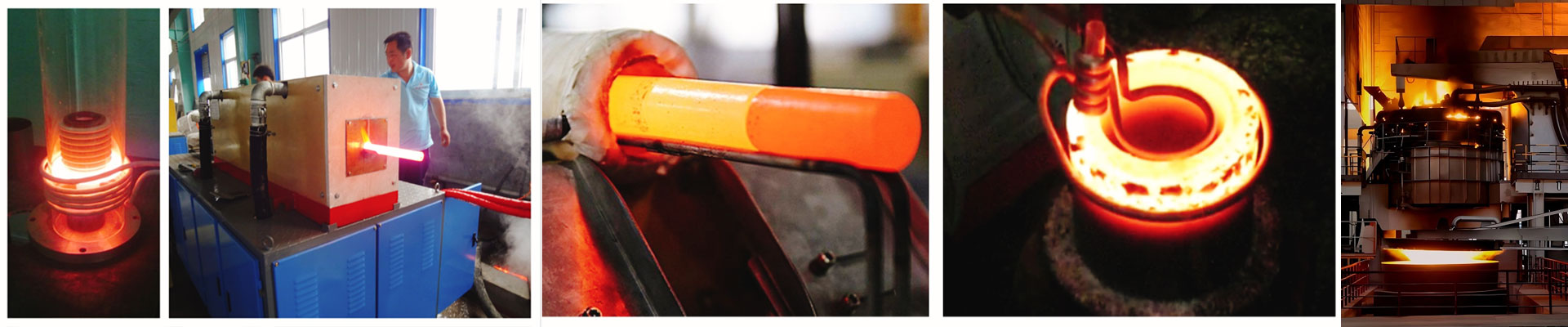
EAF vs Induction Furnace Overview
Choosing between an Electric Arc Furnace (EAF) and an Induction Furnace is a critical decision for any foundry operation. Both are electric melting technologies, but their operating principles, cost structures, and applications differ substantially.
Electric Arc Furnace Characteristics
EAFs generate heat through electric arcs striking between graphite electrodes and the metal charge. They can melt large batches (typically 20-200 tons), process scrap steel efficiently, and achieve high tap temperatures (up to 1800C). EAFs are best suited for high-volume steel production and are commonly used in integrated steel mills.
Induction Furnace Characteristics
Induction furnaces use electromagnetic induction to heat metal directly. They offer superior temperature control, minimal metal oxidation, and excellent composition consistency. Induction furnaces are ideal for alloy steel production, specialty metals, and foundries requiring precise chemistry control.
Head-to-Head Comparison
- Batch Size: EAF 20-200t vs Induction 0.05-5t
- Energy Efficiency: EAF 55-75% vs Induction 90-95%
- Temperature Control: EAF moderate vs Induction excellent
- Metal Quality: EAF good vs Induction superior
- Operating Cost: EAF lower per ton at high volume vs Induction higher but more precise
Conclusion
For large-scale steel production, EAFs are the economical choice. For specialty foundries requiring precise alloy compositions and superior metal quality, induction furnaces deliver unmatched performance.
