
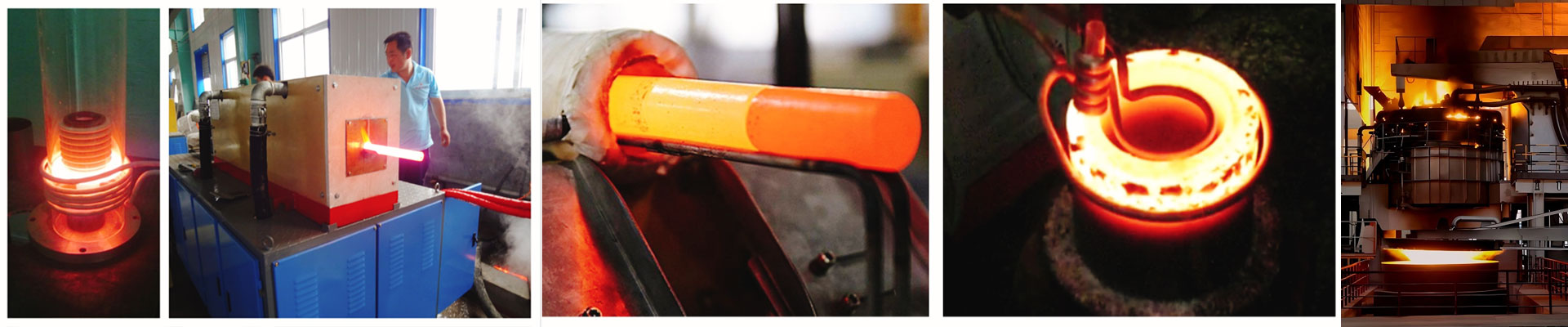
What is an Electric Arc Furnace?
An Electric Arc Furnace (EAF) uses electric arcs between graphite electrodes and the metal charge to generate heat for melting. EAFs are central to modern steelmaking, accounting for approximately 25% of global steel production. Unlike blast furnaces, EAFs primarily use scrap steel as raw material, making them highly recyclable.
Key Design Components
Furnace Shell
The cylindrical shell, typically made of heavy steel plate, contains the molten bath and withstands extreme thermal and mechanical stresses. Shell diameters range from 2m to 10m depending on capacity.
Electrode System
Three electrodes arranged in a triangular pattern deliver power to the melt. Electrode diameters range from 150mm to 700mm. Electrode consumption averages 1.5-4kg per ton of steel produced.
Transformer
The furnace transformer steps down utility voltage (6-35kV) to 100-400V secondary voltage. Power ratings typically range from 15MVA to 150MVA for large-scale operations.
Refractory Lining
Magnesium-based refractories line the furnace walls and hearth. Basic oxygen converter (BOC) steelmaking uses magnesite bricks, while secondary steelmaking uses more advanced materials.
Modern EAF Design Trends
Today's EAFs feature ultra-high power (UHP) designs with浜ゆ祦 power levels exceeding 1000kVA per ton of steel. Concast scrap preheating, foamy slag practice, and carbon injection systems maximize energy efficiency.
