
By MONTE INTELLIGENCE Engineering Team | Technical Review by Helen Xu, Senior Metallurgical Engineer
When a Malaysian steel recycler switched from a coke-fired cupola to a 3-ton medium frequency induction melting furnace in early 2025, the numbers convinced the board to retrofit the second line within six months. Electricity consumption for the melting step dropped 28% in the first quarter. Tap-to-tap time went from 90 minutes to under 45.
That facility is not unusual. Across Southeast Asia, the Middle East, and parts of Eastern Europe, medium frequency induction melting technology is reshaping how foundries and recycling operations approach metal production. The shift is driven by hard economics: rising energy prices, tightening emissions standards, and a scrap metal supply chain that demands more flexible melting solutions.
This guide covers what buyers actually need to know before investing in a medium frequency induction melting furnace — the engineering and financial details, not the marketing version.
What Is a Medium Frequency Induction Melting Furnace?
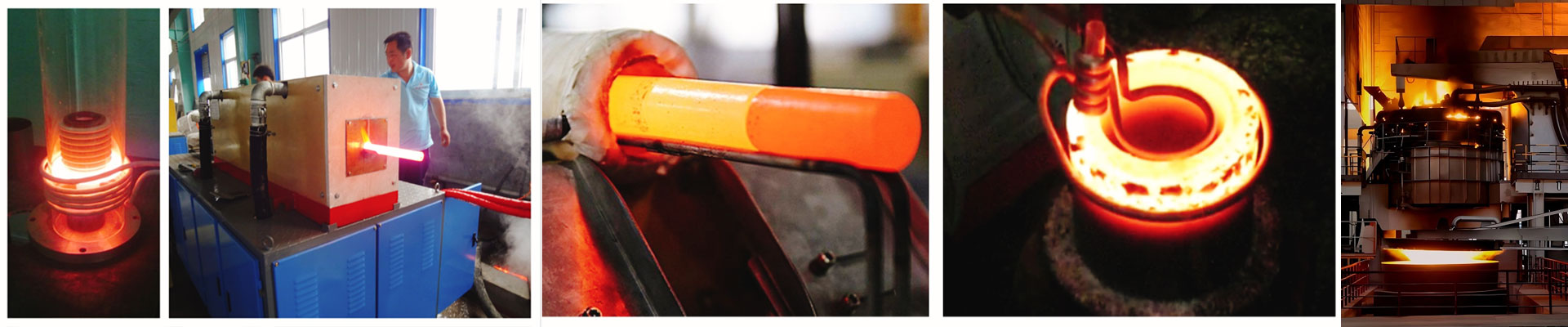
A medium frequency induction melting furnace generates heat directly within the metal charge using electromagnetic induction. The power supply converts grid electricity into alternating current at frequencies between 100 Hz and 10,000 Hz. This current flows through a water-cooled copper coil surrounding a refractory-lined crucible, creating a rapidly oscillating magnetic field.
The "medium frequency" designation matters. It occupies the practical middle ground between power density and melt quality. Mains-frequency (50–60 Hz) systems produce deeper stirring but slower initial heating. High-frequency systems (above 10 kHz) heat thin materials efficiently but struggle with bulk steel or iron melting. Medium frequency delivers rapid heat-up with controllable stirring action, which is why it dominates industrial-scale ferrous and non-ferrous melting applications.
The operating cycle follows four stages: charging scrap or ingots into the crucible; applying power and allowing the electromagnetic field to heat the charge from within; melting and refining with controllable electromagnetic stirring that homogenizes temperature and composition; and tapping via hydraulic tilt mechanisms with pour rates accurate to within 2% of target weight. A complete tap-to-tap cycle for a 1-ton steel melt typically runs 60 to 75 minutes under normal operating conditions.
The Real Cost Picture
Most equipment specification sheets lead with power capacity and melting rate. Those numbers matter, but they are not what determines whether an installation actually delivers return on investment over a five- or ten-year period.
A 1-ton medium frequency induction melting system with power supply, furnace body, cooling system, and basic automation typically ranges from USD 50,000 to 85,000. A 5-ton system with full automation, hydraulic charging, and fume extraction falls between USD 200,000 and 380,000. A 10-ton or larger installation, including civil works and electrical infrastructure upgrades, commonly reaches USD 550,000 to 1,200,000.
For operating costs, electricity typically accounts for 55–65% of total operating expense, at a real-world consumption rate of 550–650 kWh per ton of steel. Refractory maintenance (crucible relining every 80–120 heats) accounts for 12–18%. Modern IGBT-based power supplies achieve 92–95% efficiency, compared to 85–90% for older SCR designs, and the efficiency difference can offset the higher upfront cost of IGBT systems within 18–36 months in commercial power environments.
Suppliers routinely cite ideal laboratory conditions: 520 kWh per ton for steel melting, for instance. Real-world figures in continuous production typically run 10–25% higher depending on charge material variability, heat losses during delays, and cooling system electrical load. A well-managed foundry achieving 600–650 kWh per ton for steel is performing within a realistic, respectable range.
Key Applications
Steel Scrap Recycling is the fastest-growing application segment globally. The economics are straightforward: processed scrap steel typically costs 40–60% less than virgin pig iron, and induction melting processes it with lower direct emissions than electric arc furnaces using the same feedstock. A Thai steel service center operating two 5-ton induction furnaces reported processing approximately 28,000 tons of scrap annually with an average energy cost of USD 41 per ton of melted steel.
Foundry and Casting Operations benefit from rapid alloy changeover without cross-contamination risk — a complete drain and reline cycle takes 2–3 hours versus a full shift or more for EAF refractory conditioning. Non-ferrous Metal Melting (aluminum, copper, brass, zinc alloys) responds well when the operating frequency is properly matched to the material's electrical properties.
MONTE INTELLIGENCE: Engineering Solutions for Industrial Melting and Heat Treatment
MONTE INTELLIGENCE (洛阳蒙特智能科技有限公司) has been designing, manufacturing, and commissioning industrial furnace systems from our engineering center in Luoyang, China for over a decade. Our medium frequency induction melting furnace product line covers 100 kg to 30-ton nominal capacities with both IGBT and SCR power supply options.
Our engineering approach prioritizes total cost of ownership over the equipment's service life, not just the purchase price. Every system design begins with a structured analysis of the customer's specific production requirements before we recommend a configuration. This is not a catalog business where one size is presented as suitable for every application.
Recent installations include a 5-ton steel melting system for an automotive components foundry in Turkey, a 2-ton aluminum melting system for a die casting operation in Indonesia, and a 10-ton scrap recycling system for a steel service center in Saudi Arabia.
Related equipment we manufacture includes electric arc furnaces for high-throughput steel production and mesh belt heat treatment furnaces for continuous heat treatment of fasteners, bearings, and automotive components.
Free Resource: Induction Furnace ROI Calculator
Before making any purchasing decision, we recommend running actual numbers through a structured, assumption-transparent analysis. We have developed a comprehensive ROI calculation spreadsheet and equipment specification checklist.
Request your free copy: Send an email to helenxu@cnlymonte.com with the subject line "Free Induction Furnace ROI Calculator Request" and we will send both documents within 24 hours.
Frequently Asked Questions
What is the typical service lifespan? With proper maintenance, the furnace structural components can last 15–20 years. The power supply electronics typically require component-level refurbishment every 8–12 years.
Can one furnace handle both ferrous and non-ferrous melting? Technically yes, but it requires a complete crucible drain, full relining, and frequency adjustment. Most operations use dedicated furnaces for each material group.
What electrical supply is required? Most systems above 500 kW require three-phase 380V or 415V supply. Higher power systems may require medium voltage supply with a dedicated step-down transformer.
Getting Started
If you are evaluating induction melting technology for your operation, the most productive next step is to discuss your specific requirements with an engineering team that has hands-on experience across diverse applications and operating environments.
MONTE INTELLIGENCE provides no-obligation technical consultation, including preliminary system sizing and energy consumption estimates based on your actual charge materials and production targets.
Reach our engineering team: helenxu@cnlymonte.com
Visit our website: www.cnlymonte.com
About the Author: This article was prepared by the MONTE INTELLIGENCE engineering team. Helen Xu, Senior Metallurgical Engineer, contributed technical review and application case analysis, drawing on 12 years of experience in industrial furnace design, commissioning, and foundry operations consulting across 30+ countries.