
News

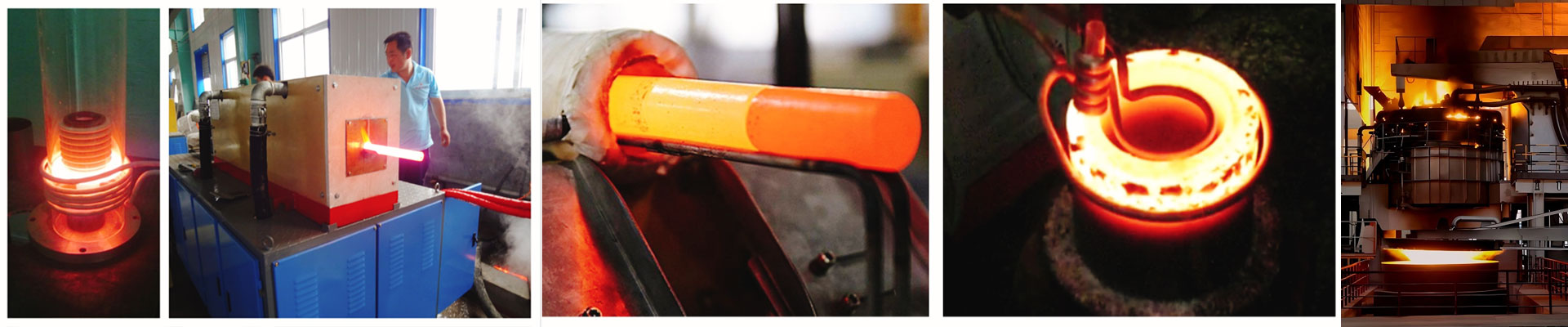
  • Electric Arc Furnace (EAF): Advanced Steel Melting Technology for Modern Steel Plants

    Electric Arc Furnace (EAF): Advanced Steel Melting Technology for Modern Steel Plants

    Electric Arc Furnace (EAF) technology has revolutionized steel production worldwide. Electric Arc Furnace (EAF) systems use electric arcs to melt scrap steel and produce new steel products. MONTE INTELLIGENCE manufactures high-quality Electric Arc Furnace (EAF) equipment for steel plants across global markets. The Electric Arc Furnace (EAF) process consumes less energy than traditional blast furnace methods. Steel producers choose Electric Arc Furnace (EAF) solutions for environmental sustainability and cost efficiency.

    An Electric Arc Furnace (EAF) creates high-temperature electric arcs between electrodes and scrap steel. The electric arcs generated by an Electric Arc Furnace (EAF) reach temperatures exceeding 3000°C. Molten steel forms inside an Electric Arc Furnace (EAF) vessel within 40-60 minutes per heat. Steel manufacturers choose Electric Arc Furnace (EAF) technology for both environmental and economic benefits. The Electric Arc Furnace (EAF) production route reduces CO2 emissions by up to 75% compared to blast furnace methods.

    MONTE INTELLIGENCE Electric Arc Furnace (EAF) models range from 5-ton to 100-ton capacity. Each MONTE INTELLIGENCE Electric Arc Furnace (EAF) features advanced electrode regulation systems. The MONTE INTELLIGENCE engineering team designs Electric Arc Furnace (EAF) equipment with energy consumption as low as 350 kWh per ton of steel. Power consumption varies based on scrap steel quality and desired steel grade. MONTE INTELLIGENCE provides customized Electric Arc Furnace (EAF) configurations for specific production requirements.

    Steel plants benefit from Electric Arc Furnace (EAF) flexibility in raw material usage. An Electric Arc Furnace (EAF) accepts scrap steel, direct reduced iron (DRI), and hot briquetted iron (HBI) as raw materials. The Electric Arc Furnace (EAF) process supports circular economy principles by recycling scrap steel into new steel products. MONTE INTELLIGENCE provides complete Electric Arc Furnace (EAF) solutions including furnace body, electrode system, and automation controls. The MONTE INTELLIGENCE technical team optimizes each Electric Arc Furnace (EAF) for maximum efficiency.

    Modern Electric Arc Furnace (EAF) designs incorporate water-cooled panels and roofs. Water-cooled components extend Electric Arc Furnace (EAF) campaign life to over 10,000 heats. The MONTE INTELLIGENCE workshop produces Electric Arc Furnace (EAF) vessels with robust steel plate construction. Each Electric Arc Furnace (EAF) undergoes hydraulic testing and electrical commissioning before shipment. MONTE INTELLIGENCE quality control processes ensure reliable Electric Arc Furnace (EAF) performance in demanding steel plant environments.

    Electric Arc Furnace (EAF) automation systems improve melting efficiency and product quality. MONTE INTELLIGENCE integrates Siemens and Schneider Electric components into Electric Arc Furnace (EAF) control panels. The automation system monitors electrode position, power consumption, and molten steel temperature in real time. Steel plant operators control the Electric Arc Furnace (EAF) through a user-friendly HMI interface. MONTE INTELLIGENCE provides training for steel plant personnel on Electric Arc Furnace (EAF) operation and maintenance procedures.

    Scrap steel preheating systems enhance Electric Arc Furnace (EAF) energy efficiency. Preheating scrap steel to 600°C reduces Electric Arc Furnace (EAF) power consumption by 15-20%. MONTE INTELLIGENCE offers shaft furnace type and conveyor type preheating systems for Electric Arc Furnace (EAF) installations. The preheating system pays for itself through energy savings within 12-18 months of operation. Steel plant investors appreciate the rapid return on investment from Electric Arc Furnace (EAF) preheating technology.

    Electric Arc Furnace (EAF) dust collection systems protect worker health and meet environmental regulations. MONTE INTELLIGENCE designs dust hoods and ductwork specifically for each Electric Arc Furnace (EAF) configuration. The dust collection system captures fumes and particulates at the Electric Arc Furnace (EAF) source. Cleaned gases exit the dust collection system below 30mg/m³ concentration. MONTE INTELLIGENCE ensures each Electric Arc Furnace (EAF) installation complies with local environmental standards.

    MONTE INTELLIGENCE serves steel plants in Nigeria, India, Vietnam, and Middle Eastern countries. MONTE INTELLIGENCE engineers provide on-site installation and commissioning services for Electric Arc Furnace (EAF) projects. The MONTE INTELLIGENCE after-sales team offers spare parts supply and technical support for Electric Arc Furnace (EAF) equipment. MONTE INTELLIGENCE has delivered over 200 Electric Arc Furnace (EAF) units since 2010. Steel plant clients value MONTE INTELLIGENCE expertise in Electric Arc Furnace (EAF) technology and project execution.

    Steel plant investors choose MONTE INTELLIGENCE Electric Arc Furnace (EAF) solutions for competitive pricing and reliable performance. MONTE INTELLIGENCE provides complete project solutions including workshop layout design, equipment manufacturing, installation guidance, and operator training. Contact MONTE INTELLIGENCE at helenxu@cnlymonte.com to request a customized Electric Arc Furnace (EAF) proposal with technical specifications and pricing. The MONTE INTELLIGENCE sales team responds to Electric Arc Furnace (EAF) inquiries within 24 hours on working days.

    View MONTE INTELLIGENCE Electric Arc Furnace (EAF) product details at www.cnlymonte.com. The product page includes technical drawings, specification tables, and project case studies for reference. MONTE INTELLIGENCE welcomes steel plant professionals to discuss Electric Arc Furnace (EAF) requirements and explore collaboration opportunities for steel production projects.

    2026-06-01
    More
  • Solar PV + Energy Storage + Induction Melting Furnace System for Off-Grid Scrap Metal Recycling

    Solar PV + Energy Storage + Induction Melting Furnace System for Off-Grid Scrap Metal Recycling

    Power shortages plague scrap metal recycling operations across developing countries. Solar PV induction melting furnace systems solve electricity access challenges by combining photovoltaic panels, battery energy storage, and induction melting technology into one integrated solution. Solar PV induction melting furnace systems operate independently from unstable power grids. This innovative solar PV induction melting furnace system enables metal recycling businesses to melt scrap steel, aluminum, copper, and iron using 100% clean solar energy.

    Core Technology of Solar PV Induction Melting Furnace Systems

    A solar PV induction melting furnace system contains three essential components. The first component is a photovoltaic solar array generating DC electricity from sunlight. The second component is a battery energy storage system storing excess solar power for nighttime or cloudy-day operations. The third component is a solid-state induction melting furnace converting stored electrical energy into high-frequency electromagnetic fields that heat scrap metal rapidly and efficiently.

    MONTE INTELLIGENCE designed this solar PV induction melting furnace system with a full DC architecture eliminating DC-to-AC inversion losses. Photovoltaic panels connect directly to battery storage, then stored DC power delivers to the induction melting furnace through a high-efficiency conversion stage. This full DC architecture achieves 15-20% higher energy efficiency compared to conventional AC-grid-powered melting systems.

    Why Developing Countries Need Solar PV Induction Melting Furnace Systems

    Developing countries in Africa, Southeast Asia, and Latin America face chronic electricity shortages. National power grids experience daily outages lasting 4-12 hours and charge industrial electricity rates 2-3 times higher than developed countries. A solar PV induction melting furnace system breaks dependence on unreliable grids, allowing scrap metal recycling businesses to operate continuously regardless of outages. Operating costs reduce dramatically by replacing expensive grid electricity with free solar energy. A typical 500kW solar PV induction melting furnace system achieves ROI within 18-24 months.

    Technical Specifications

    MONTE INTELLIGENCE manufactures solar PV induction melting furnace systems in multiple power ratings:

    • 100kW system: Melts 150-200kg scrap steel per batch. Ideal for small recycling workshops.
    • 250kW system: Melts 400-500kg scrap steel per batch. Suitable for medium recycling factories.
    • 500kW system: Melts 800-1000kg scrap steel per batch. Designed for large recycling plants.
    • 1000kW system: Melts 1500-2000kg scrap steel per batch. Built for industrial-scale operations.

    Each solar PV induction melting furnace system includes a custom-sized photovoltaic array, lithium-ion or lead-carbon battery storage for 6-8 hours continuous operation, and intelligent power control with remote IoT monitoring.

    Application Scenarios

    Off-Grid Scrap Steel Recycling in Rural Areas

    Rural areas in developing countries often lack grid connections. A 250kW solar PV induction melting furnace system in rural Nigeria melts scrap steel collected from local markets and transforms melted steel into reusable billets for construction and manufacturing industries without any grid connection.

    Urban Scrap Metal Recycling with Unreliable Power

    Urban areas experience frequent power outages. A 500kW solar PV induction melting furnace system in urban India melts scrap aluminum and copper during both daytime and nighttime, increasing daily melting capacity by 60% compared to grid-only operations with battery-stored solar energy.

    Island and Remote Location Scrap Metal Recycling

    A 100kW solar PV induction melting furnace system on remote islands in the Philippines melts scrap metal from decommissioned ships and industrial equipment, supporting local construction without fossil fuel generators.

    Solar PV Induction Melting Furnace vs. Diesel Generators

    FactorDiesel GeneratorSolar PV Induction Melting Furnace System
    Fuel Cost$0.25-0.40/kWh$0 (free solar energy)
    MaintenanceHigh (engine parts)Low (no moving parts)
    Noise Level85-95 dB<45 dB
    Carbon Emissions0.8-1.0 kg CO2/kWh0 kg CO2 (zero)
    Lifespan10,000-15,000 hrs25+ years (PV), 10+ years (battery)
    Energy SupplyContinuous diesel neededSunlight only (free/unlimited)

    A solar PV induction melting furnace system eliminates diesel costs accounting for 40-60% of operating expenses. Noise pollution reduces significantly. Environmental sustainability improves, helping businesses qualify for green certifications and premium export pricing.

    Integration with Existing Equipment

    MONTE INTELLIGENCE solar PV induction melting furnace systems integrate with existing induction furnaces at recycling facilities. Retrofitting adds photovoltaic arrays, battery storage, and bidirectional power conversion, typically costing 40-50% less than new equipment purchases while delivering identical energy savings and independence benefits.

    MONTE INTELLIGENCE Product Recommendations

    1. Induction Melting Furnace — Core melting equipment, 100kW-1000kW ratings, 150-2000kg batch capacity.
    2. Medium Frequency Induction Furnace — 95%+ efficiency with intelligent temperature control for steel, aluminum, copper, iron scrap.
    3. Electric Arc Furnace (EAF) — Large-scale melting above 2000kg per batch.
    4. Gas Forging Furnace — Hybrid thermal preheating plus induction melting for optimized processing.

    Financial Returns: 500kW System in Nigeria

    • System Cost: $180,000-220,000 (PV + battery + furnace + installation)
    • Monthly Diesel Savings: $8,500-11,000
    • Monthly Grid Savings: $4,200-5,500
    • Total Monthly Savings: $12,700-16,500
    • Payback Period: 12-18 months
    • 10-Year Net Profit: $1,140,000-1,760,000

    Financial returns improve with carbon credit revenues in certain developing countries and benefit from rising diesel prices and falling solar battery costs.

    Implementation Process

    MONTE INTELLIGENCE delivers turnkey solar PV induction melting furnace systems through: (1) Site assessment and solar irradiance measurement; (2) Custom system design with monocrystalline PV panels (22%+ efficiency) and LiFePO4 batteries (6000+ cycles); (3) Factory manufacturing and testing in Luoyang, China; (4) International shipping with full customs documentation; (5) On-site commissioning with operator training (10-15 days); (6) 24/7 remote monitoring and 12-month warranty protection.

    Conclusion

    Solar PV induction melting furnace systems represent transformative technology for scrap metal recycling in developing countries with electricity challenges. Combining renewable generation, energy storage, and high-efficiency induction melting into one integrated solution delivers substantial financial returns and environmental benefits.

    MONTE INTELLIGENCE brings extensive experience manufacturing and deploying industrial melting furnace equipment globally. Contact the MONTE INTELLIGENCE team for a customized solar PV induction melting furnace system proposal.

    Email: helenxu@cnlymonte.com | Visit: www.cnlymonte.com

    2026-05-30
    More
  • Natural Gas Furnace Guide: How Gas Fired Furnace Systems Transform Industrial Heat Treatment
  • Medium Frequency Induction Melting Furnace: The Complete Buyer's Guide

    By MONTE INTELLIGENCE Engineering Team | Technical Review by Helen Xu, Senior Metallurgical Engineer

    When a Malaysian steel recycler switched from a coke-fired cupola to a 3-ton medium frequency induction melting furnace in early 2025, the numbers convinced the board to retrofit the second line within six months. Electricity consumption for the melting step dropped 28% in the first quarter. Tap-to-tap time went from 90 minutes to under 45.

    That facility is not unusual. Across Southeast Asia, the Middle East, and parts of Eastern Europe, medium frequency induction melting technology is reshaping how foundries and recycling operations approach metal production. The shift is driven by hard economics: rising energy prices, tightening emissions standards, and a scrap metal supply chain that demands more flexible melting solutions.

    This guide covers what buyers actually need to know before investing in a medium frequency induction melting furnace — the engineering and financial details, not the marketing version.


    What Is a Medium Frequency Induction Melting Furnace?

    A medium frequency induction melting furnace generates heat directly within the metal charge using electromagnetic induction. The power supply converts grid electricity into alternating current at frequencies between 100 Hz and 10,000 Hz. This current flows through a water-cooled copper coil surrounding a refractory-lined crucible, creating a rapidly oscillating magnetic field.

    The "medium frequency" designation matters. It occupies the practical middle ground between power density and melt quality. Mains-frequency (50–60 Hz) systems produce deeper stirring but slower initial heating. High-frequency systems (above 10 kHz) heat thin materials efficiently but struggle with bulk steel or iron melting. Medium frequency delivers rapid heat-up with controllable stirring action, which is why it dominates industrial-scale ferrous and non-ferrous melting applications.

    The operating cycle follows four stages: charging scrap or ingots into the crucible; applying power and allowing the electromagnetic field to heat the charge from within; melting and refining with controllable electromagnetic stirring that homogenizes temperature and composition; and tapping via hydraulic tilt mechanisms with pour rates accurate to within 2% of target weight. A complete tap-to-tap cycle for a 1-ton steel melt typically runs 60 to 75 minutes under normal operating conditions.


    The Real Cost Picture

    Most equipment specification sheets lead with power capacity and melting rate. Those numbers matter, but they are not what determines whether an installation actually delivers return on investment over a five- or ten-year period.

    A 1-ton medium frequency induction melting system with power supply, furnace body, cooling system, and basic automation typically ranges from USD 50,000 to 85,000. A 5-ton system with full automation, hydraulic charging, and fume extraction falls between USD 200,000 and 380,000. A 10-ton or larger installation, including civil works and electrical infrastructure upgrades, commonly reaches USD 550,000 to 1,200,000.

    For operating costs, electricity typically accounts for 55–65% of total operating expense, at a real-world consumption rate of 550–650 kWh per ton of steel. Refractory maintenance (crucible relining every 80–120 heats) accounts for 12–18%. Modern IGBT-based power supplies achieve 92–95% efficiency, compared to 85–90% for older SCR designs, and the efficiency difference can offset the higher upfront cost of IGBT systems within 18–36 months in commercial power environments.

    Suppliers routinely cite ideal laboratory conditions: 520 kWh per ton for steel melting, for instance. Real-world figures in continuous production typically run 10–25% higher depending on charge material variability, heat losses during delays, and cooling system electrical load. A well-managed foundry achieving 600–650 kWh per ton for steel is performing within a realistic, respectable range.


    Key Applications

    Steel Scrap Recycling is the fastest-growing application segment globally. The economics are straightforward: processed scrap steel typically costs 40–60% less than virgin pig iron, and induction melting processes it with lower direct emissions than electric arc furnaces using the same feedstock. A Thai steel service center operating two 5-ton induction furnaces reported processing approximately 28,000 tons of scrap annually with an average energy cost of USD 41 per ton of melted steel.

    Foundry and Casting Operations benefit from rapid alloy changeover without cross-contamination risk — a complete drain and reline cycle takes 2–3 hours versus a full shift or more for EAF refractory conditioning. Non-ferrous Metal Melting (aluminum, copper, brass, zinc alloys) responds well when the operating frequency is properly matched to the material's electrical properties.


    MONTE INTELLIGENCE: Engineering Solutions for Industrial Melting and Heat Treatment

    MONTE INTELLIGENCE (洛阳蒙特智能科技有限公司) has been designing, manufacturing, and commissioning industrial furnace systems from our engineering center in Luoyang, China for over a decade. Our medium frequency induction melting furnace product line covers 100 kg to 30-ton nominal capacities with both IGBT and SCR power supply options.

    Our engineering approach prioritizes total cost of ownership over the equipment's service life, not just the purchase price. Every system design begins with a structured analysis of the customer's specific production requirements before we recommend a configuration. This is not a catalog business where one size is presented as suitable for every application.

    Recent installations include a 5-ton steel melting system for an automotive components foundry in Turkey, a 2-ton aluminum melting system for a die casting operation in Indonesia, and a 10-ton scrap recycling system for a steel service center in Saudi Arabia.

    Related equipment we manufacture includes electric arc furnaces for high-throughput steel production and mesh belt heat treatment furnaces for continuous heat treatment of fasteners, bearings, and automotive components.


    Free Resource: Induction Furnace ROI Calculator

    Before making any purchasing decision, we recommend running actual numbers through a structured, assumption-transparent analysis. We have developed a comprehensive ROI calculation spreadsheet and equipment specification checklist.

    Request your free copy: Send an email to helenxu@cnlymonte.com with the subject line "Free Induction Furnace ROI Calculator Request" and we will send both documents within 24 hours.


    Frequently Asked Questions

    What is the typical service lifespan? With proper maintenance, the furnace structural components can last 15–20 years. The power supply electronics typically require component-level refurbishment every 8–12 years.

    Can one furnace handle both ferrous and non-ferrous melting? Technically yes, but it requires a complete crucible drain, full relining, and frequency adjustment. Most operations use dedicated furnaces for each material group.

    What electrical supply is required? Most systems above 500 kW require three-phase 380V or 415V supply. Higher power systems may require medium voltage supply with a dedicated step-down transformer.


    Getting Started

    If you are evaluating induction melting technology for your operation, the most productive next step is to discuss your specific requirements with an engineering team that has hands-on experience across diverse applications and operating environments.

    MONTE INTELLIGENCE provides no-obligation technical consultation, including preliminary system sizing and energy consumption estimates based on your actual charge materials and production targets.

    Reach our engineering team: helenxu@cnlymonte.com

    Visit our website: www.cnlymonte.com


    About the Author: This article was prepared by the MONTE INTELLIGENCE engineering team. Helen Xu, Senior Metallurgical Engineer, contributed technical review and application case analysis, drawing on 12 years of experience in industrial furnace design, commissioning, and foundry operations consulting across 30+ countries.


    2026-05-28
    More
  • Why Manufacturers Choose Continuous Mesh Belt Furnaces for High-Volume Heat Treatment

    Introduction: The Production Bottleneck You Didn't See Coming

    In 2024, a fastener manufacturer in Southeast Asia hit a wall. Their batch furnaces couldn't keep up with a new contract from a major automotive supplier. Each load took 45 minutes, and temperature inconsistency between batches meant a 6% rejection rate. More furnaces meant more floor space, more operators, and more headaches.

    Their solution? A single continuous mesh belt furnace. Within three months, throughput doubled, rejection rates dropped below 1%, and they recovered the investment in under 18 months.

    This isn't an isolated story. Across automotive, aerospace, fastener manufacturing and powder metallurgy, the shift from batch to continuous processing is accelerating — with the mesh belt furnace at the center of this transformation.

    What Is a Mesh Belt Furnace — And Why It's Different

    A mesh belt furnace (also called a conveyor belt furnace or continuous mesh belt furnace) is an industrial heat treatment system where workpieces travel through a heated chamber on a continuously moving mesh belt. Unlike batch furnaces that process loads in discrete cycles, the mesh belt design enables uninterrupted, high-throughput thermal processing.

    The core components include:

    • Loading station — where parts are automatically or manually fed onto the belt
    • Preheating zone — gradual temperature ramp-up to prevent thermal shock
    • Heating/holding zone — the main treatment chamber with precise atmosphere control
    • Cooling zone — controlled cooling, often with quenching capabilities
    • Unloading station — where treated parts exit ready for the next operation

    Key specifications that matter:

    • Temperature range: typically 200°C to 1150°C, depending on heating elements and application
    • Belt width: 200mm to 1500mm, matched to part dimensions and throughput requirements
    • Atmosphere control: endothermic gas, nitrogen, hydrogen-nitrogen mix, or vacuum-assisted designs
    • Heating zones: 2 to 6+ zones for precise thermal profiling
    • Belt speed: adjustable from 20mm/min to 500mm/min for process flexibility

    Where Mesh Belt Furnaces Outperform Everything Else

    1. Fastener and Hardware Heat Treatment

    Screws, bolts, nuts, washers, chains — these small parts represent the highest-volume heat treatment segment globally. A single mesh belt furnace line can process 500-2000 kg per hour, achieving uniform hardness across thousands of identical parts. The controlled atmosphere prevents decarburization and oxidation, critical for high-strength fasteners used in automotive and construction.

    2. Automotive Component Hardening and Tempering

    Bearing races, gears, springs, clips, and stampings for the automotive industry demand consistent metallurgical properties. Mesh belt furnaces with integrated oil or polymer quench tanks deliver predictable hardness profiles (±1 HRC) across production runs of millions of parts. Modern lines integrate washing, hardening, quenching, tempering, and rust-proofing into a single continuous flow.

    3. Brazing Under Controlled Atmosphere

    Aluminum and copper brazing of heat exchangers, automotive radiators, and HVAC components requires uniform temperature and strict atmosphere control. Continuous mesh belt brazing furnaces operate under nitrogen or hydrogen-nitrogen atmospheres, with oxygen levels kept below 50 ppm, to achieve clean, flux-free brazed joints at production speeds unmatched by vacuum furnaces.

    4. Powder Metallurgy Sintering

    The global powder metallurgy market exceeded $30 billion in 2024, driven by automotive lightweighting and the shift toward net-shape manufacturing. Mesh belt sintering furnaces, operating at 1100-1150°C under controlled endothermic atmosphere, are the workhorse of this industry — processing gears, sprockets, bearings, and structural PM parts at throughputs of 100-500 kg/h.

    5. Annealing and Normalizing

    For manufacturers of springs, wire products, tubes, and stamped components, continuous mesh belt annealing furnaces deliver uniform softening with precise grain structure control. The continuous process eliminates batch-to-batch variability that plagues bell-type and box furnaces.

    The Real Economics: Why Continuous Beats Batch

    Let's talk numbers. Here's what typically changes when a manufacturer switches from batch to continuous mesh belt processing:

    • Throughput increase: 40% to 120% higher, depending on part geometry and process
    • Energy per part: 25-40% reduction with steady-state operation vs batch cycling
    • Labor efficiency: One operator manages a line that replaces 3-5 batch furnaces
    • Rejection rate: Typically drops from 3-8% (batch) to below 1% (continuous) due to uniform time-at-temperature
    • Floor space: A single continuous line often replaces multiple batch units, freeing 30-50% floor area

    But the biggest advantage rarely appears in brochures: process data. Continuous furnaces generate consistent thermal profiles that simplify quality certification. When your automotive customer audits your process, a continuous time-temperature curve beats explaining batch variations every time.

    What to Look for When Sourcing a Mesh Belt Furnace

    After 15 years in industrial furnace engineering, here are the factors MONTE INTELLIGENCE considers critical when matching a mesh belt furnace to your operation:

    1. Belt material and design. The mesh belt is the heart of the system. Double-spiral balanced weave handles high loads; compound weave suits small parts. Belt material (AISI 314, 310S, or Inconel) determines maximum operating temperature and service life. Expect 8,000-15,000 hours from a quality belt before replacement — and budget accordingly.

    2. Heating element accessibility. When a heating element fails at 2 AM during a production run, you don't want to spend 6 hours cooling down the furnace to replace it. Look for designs with side-access element replacement that can be done hot or during brief cool-downs. Spiral Kanthal A1 elements with ceramic tube supports are the industry standard for reliability.

    3. Atmosphere integrity. Oxygen infiltration ruins parts and destroys belts. Quality furnaces use double-door vestibules with nitrogen curtains, muffle designs in critical zones, and multi-point gas flow control. Check the muffle material: high-temperature alloy (like Incoloy 800HT) adds cost but extends service life dramatically.

    4. Quench integration. For hardening applications, the quench tank isn't an add-on — it's part of the thermal system. Oil quench tanks need agitation, temperature control, and fire suppression. Polymer quenches need concentration monitoring. The best lines integrate these as standard, not options.

    5. Control system. Modern mesh belt furnaces ship with PLC+HMI controls supporting multi-zone PID temperature regulation, recipe management, and data logging. If you're supplying automotive Tier 1 or 2 customers, make sure the system supports CQI-9 data export requirements before you buy.

    MONTE INTELLIGENCE: Built for Your Production Reality

    At MONTE INTELLIGENCE (Luoyang Monte Intelligent Technology Co., Ltd.), we design and manufacture mesh belt furnaces that reflect what we've learned from hundreds of installations: every production line is unique, and off-the-shelf solutions create expensive compromises.

    Our mesh belt furnace series covers:

    • MBF-H Series: Hardening & tempering lines, 750-950°C, integrated oil/polymer quench, 200-1500 kg/h
    • MBF-B Series: Controlled atmosphere brazing furnaces, 600-1150°C, N₂/H₂ atmosphere, <50 ppm O₂
    • MBF-S Series: Sintering furnaces for powder metallurgy, 1100-1150°C, endothermic/RX gas, preheat-sinter-cool zones
    • MBF-A Series: Annealing & normalizing lines, 600-950°C, controlled cooling, bright finish capability

    Every furnace is engineered to your throughput target, part geometry, and metallurgical specification. We provide on-site installation supervision, operator training, and technical support across Asia, Africa, and the Middle East.

    Your Next Step

    If you're evaluating heat treatment capacity — replacing aging batch furnaces, expanding for new contracts, or building a greenfield facility — the worst thing you can do is guess. The second worst is buying a generic design that almost fits your needs.

    Send us your parts, your throughput target, and your quality requirements. We'll engineer a mesh belt furnace solution that's matched to your production reality — and back it with installation support that goes beyond the purchase order.

    Email our technical team at helenxu@cnlymonte.com with your specifications, or visit www.cnlymonte.com to explore our full range of industrial furnace solutions.

    About the Author: MONTE INTELLIGENCE specializes in industrial furnace engineering — EAF, induction melting, mesh belt furnaces, bogie hearth furnaces, and gas-fired solutions. With installations across Asia, Africa, and the Middle East, we provide complete thermal processing from design through commissioning.

    2026-05-27
    More

Get the latest price? We will reply as soon as possible (within 12 hours)