
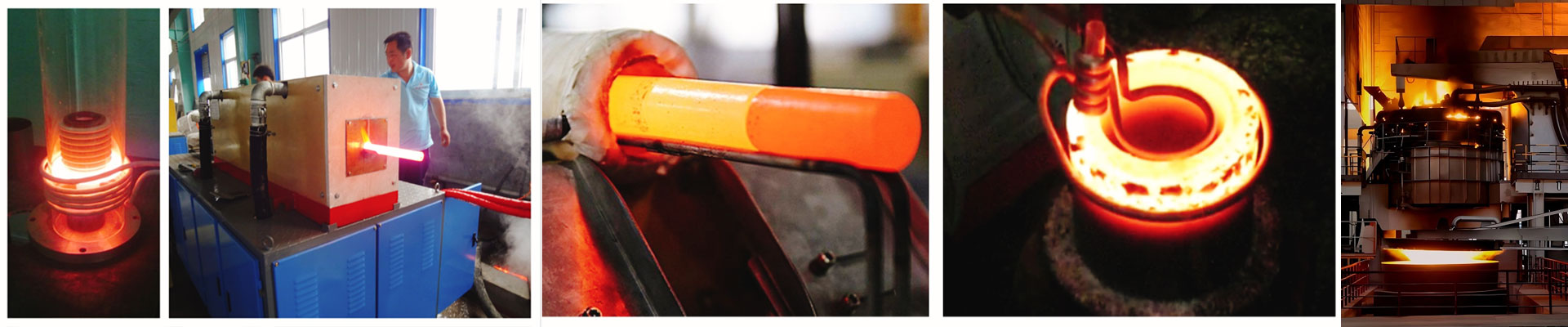
The charge material is the single largest variable cost in induction melting — and the variable that most directly affects melt rate, energy consumption, and metal quality. A carefully managed charge program can reduce energy consumption by 10-15% and improve melt rate by a comparable amount, compared to charging whatever scrap is available.
MONTE INTELLIGENCE provides charge material recommendations as part of our induction furnace supply. This article covers the principles of charge selection, preparation, and management for induction melting of iron and steel.
Charge material for induction melting falls into several categories: foundry returns (gates, risers, and scrap castings from the foundry's own operation), purchased steel scrap (from scrap dealers, typically sorted by grade), pig iron (virgin iron from blast furnace or direct reduction), and alloying additions (ferroalloys, carburizers, and other materials added to adjust the chemical composition).
The ideal charge is a mixture that provides the target chemical composition with minimal correction, melts uniformly without bridging, and costs the least per tonne of liquid metal. Achieving this ideal requires balancing the metallurgical properties and the cost of each charge component.
Charge size distribution matters for melting efficiency in induction furnaces. The induction heating mechanism — eddy currents generated by the alternating magnetic field — penetrates into the charge to a depth called the reference depth, which depends on the frequency and the charge material's electrical properties. For iron at 1000 Hz, the reference depth is approximately 7 mm. Heating occurs primarily within this surface layer, and the heat then conducts into the interior.
A charge consisting of large, solid pieces — say, 200 mm diameter steel punchings — heats only within 7 mm of the surface until the heat conducts to the center. The surface can melt while the center is still cold, leading to bridging where a partially melted piece forms an arch across the furnace that blocks the remaining charge from descending into the melt. A charge with a range of sizes — from 10 mm shredded scrap to 150 mm heavy scrap — settles more uniformly in the furnace and melts more efficiently because the smaller pieces fill the gaps between larger pieces and increase the effective surface-to-volume ratio.
Charge cleanliness is critical for metal quality and furnace lining life. Rust (iron oxide) increases slag volume, consumes energy (reducing Fe2O3 to Fe requires carbon and energy), and attacks the silica lining (FeO is a flux for silica refractories, reducing lining life). Oil and grease on the charge produce smoke during melting — a shop environment and emissions problem — and can introduce hydrogen into the metal, causing porosity in castings. Sand and dirt on the charge increase slag volume without contributing any recoverable metal.
Charge preheating is a technique used in larger induction furnaces (above about 5 tonnes) to improve efficiency. Preheating the charge to 400-600°C before charging removes moisture (eliminating the risk of steam explosions if wet charge contacts the molten bath), burns off oil and organic contaminants (reducing smoke and hydrogen pickup), and reduces the electrical energy required in the furnace (the preheater uses lower-cost natural gas rather than electricity). A charge preheater can reduce total melting cost by 5-10% depending on the relative prices of natural gas and electricity.
The charging sequence affects melt rate and safety. The first charge into a cold furnace should be smaller pieces that pack well around the walls and provide good coupling to the coil — they heat faster and help bring the furnace lining up to temperature uniformly. Once a liquid pool forms, larger pieces can be added because the liquid metal around them improves the coupling. The final charge should leave enough freeboard (the distance from the melt surface to the top of the crucible) for stirring action and for adding alloying elements.
Bridging is the operational problem that every induction melter has experienced. A piece of charge bridges across the furnace diameter above the melt, preventing the charge above from descending into the melt. The melt below continues to heat and can superheat to temperatures that damage the refractory lining. Preventing bridging requires proper charge sizing (no piece larger than about one-third the furnace diameter), careful charging (no single large piece dropped in flat), and attentive monitoring during the melting cycle.
For foundries melting multiple alloys, cross-contamination between alloys is a quality risk. A furnace that just melted ductile iron (containing magnesium) and is then charged with gray iron scrap (which should have no magnesium) can produce off-spec castings if the lining retains magnesium from the previous heat. The solution is either dedicated furnaces for each alloy family, or thorough cleaning of the furnace between alloy changes, including scraping the lining to remove adhered metal and slag.
MONTE INTELLIGENCE offers charge material consultation as part of our induction furnace projects, including scrap specification, charge mix optimization, and preheater integration.
For charge material recommendations for your foundry, contact helenxu@cnlymonte.com.
