Products

Featured products

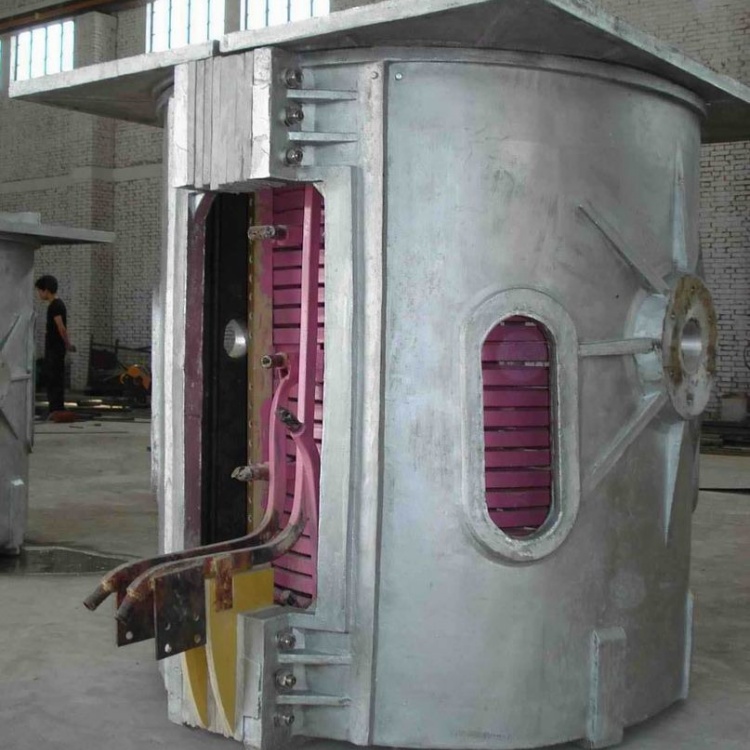
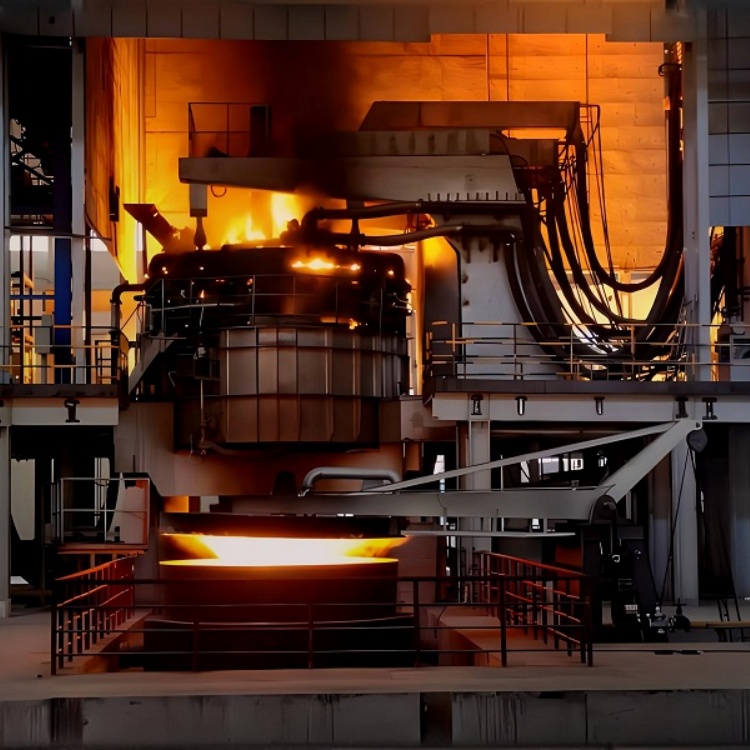
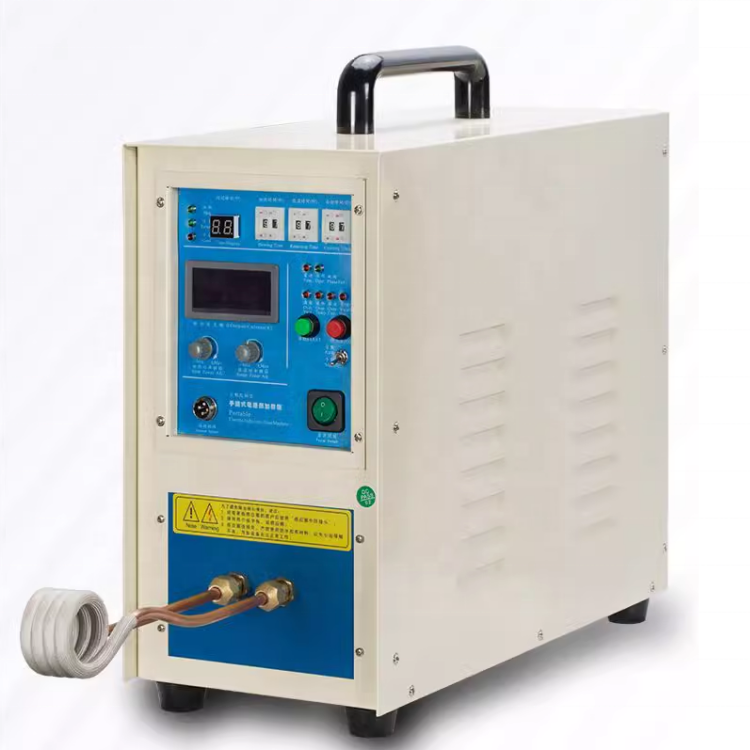
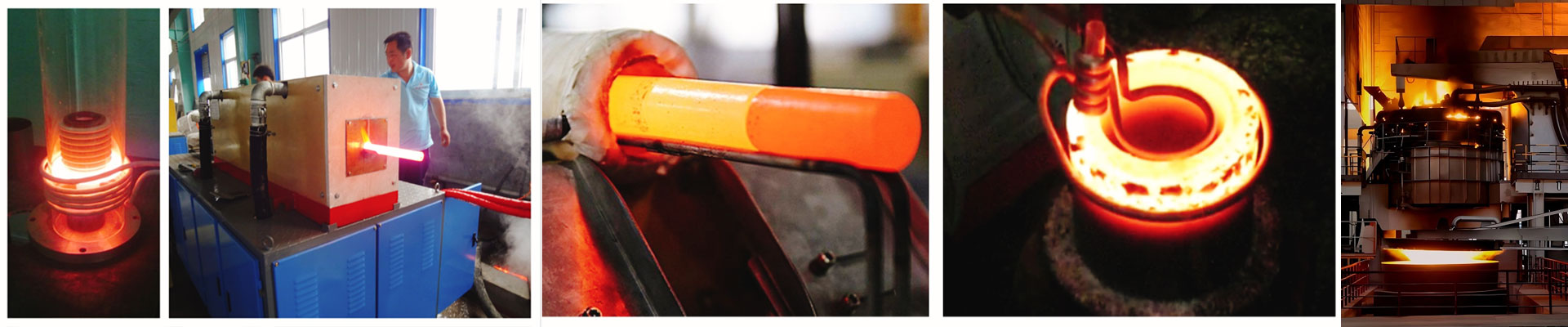
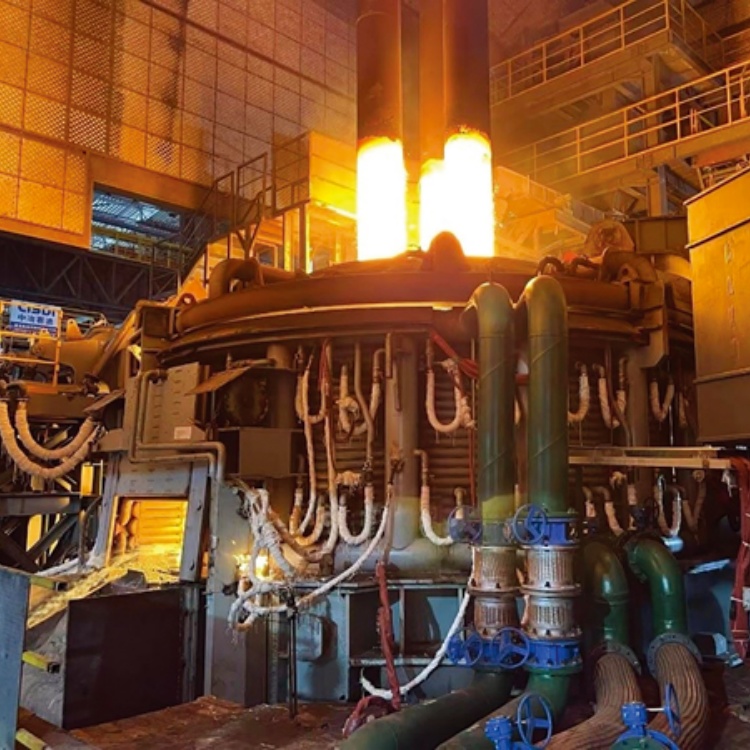
Induction melting coils and induction heating coils are used in melting heating equipment

  • Induction melting coils and induction heating coils are used in melting heating equipment
  • Induction melting coils and induction heating coils are used in melting heating equipment
  • Induction melting coils and induction heating coils are used in melting heating equipment
  • Induction melting coils and induction heating coils are used in melting heating equipment
  • Induction melting coils and induction heating coils are used in melting heating equipment
  • Induction melting coils and induction heating coils are used in melting heating equipment
  • video
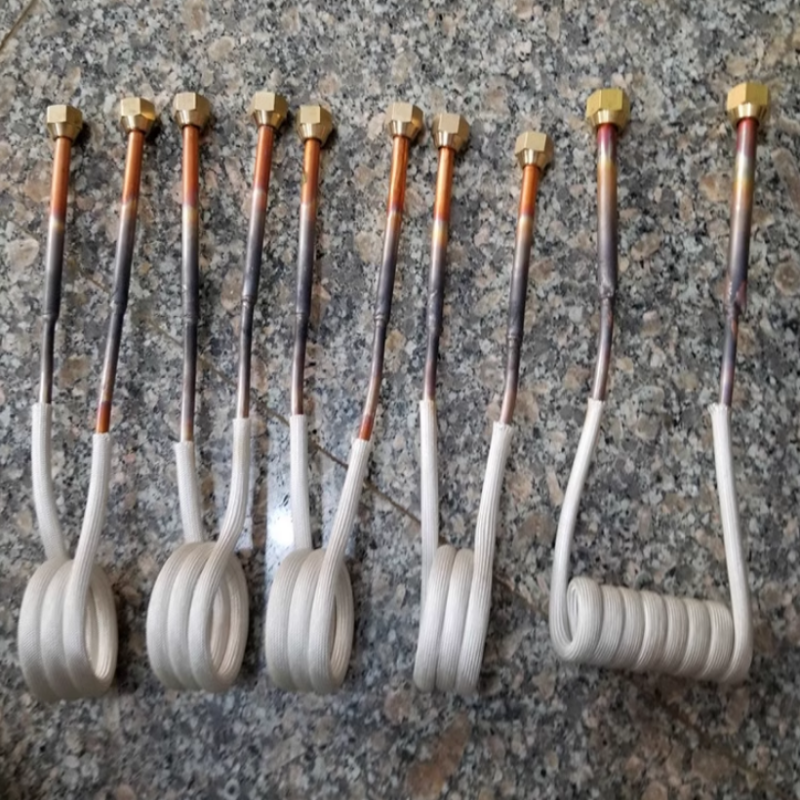
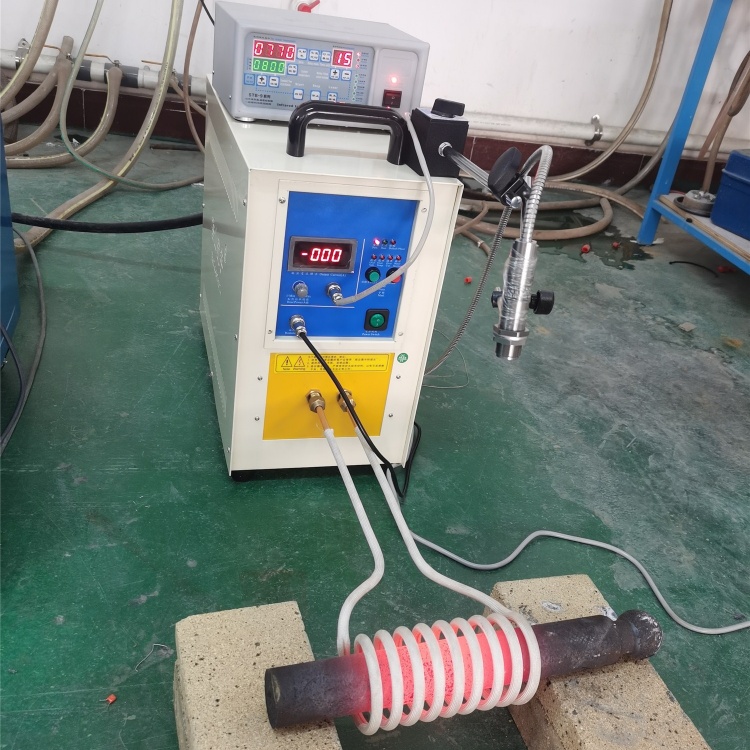
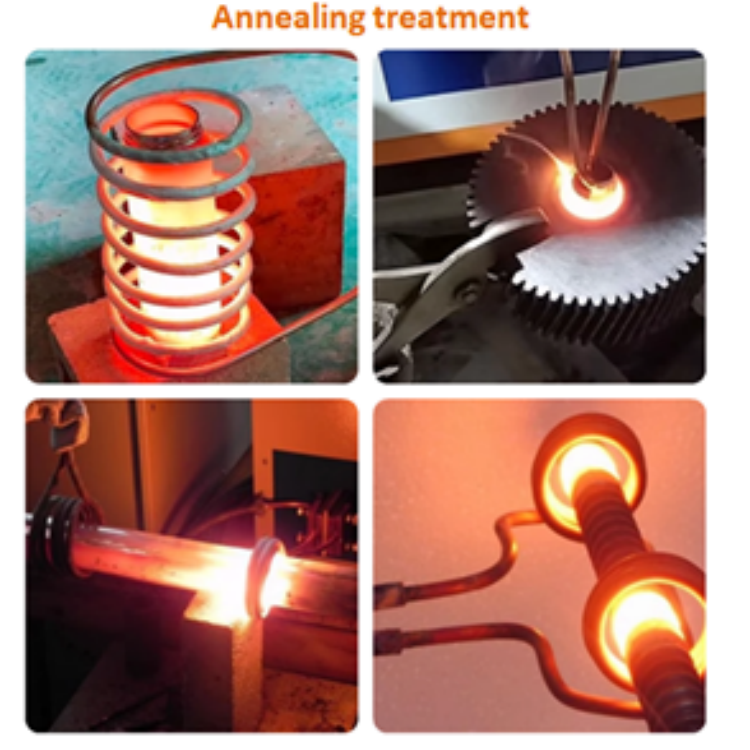
    Working Principle The working principle of induction heating coils is based on electromagnetic induction and the thermal effect of current. When an alternating current is passed through the coil, a rapidly changing alternating magnetic field is formed around it. When the magnetic field passes through a metal work piece, closed circular currents—known as eddy currents—are induced inside the work piece. Under the action of metal resistance, these eddy currents are converted into thermal energy through the Joule-Lenz effect, causing the workpiece to heat up on its own. Coil Shapes Disc-shaped coils: Commonly used in induction cook tops and other devices for heating flat work pieces. Cylindrical coils: Suitable for heating cylindrical work pieces such as rods and pipes. Saddle-shaped coils: Can fit and heat irregular work pieces like gears. Flat coils: Mostly used for heating flat work pieces such as metal plates.


    induction heating coils


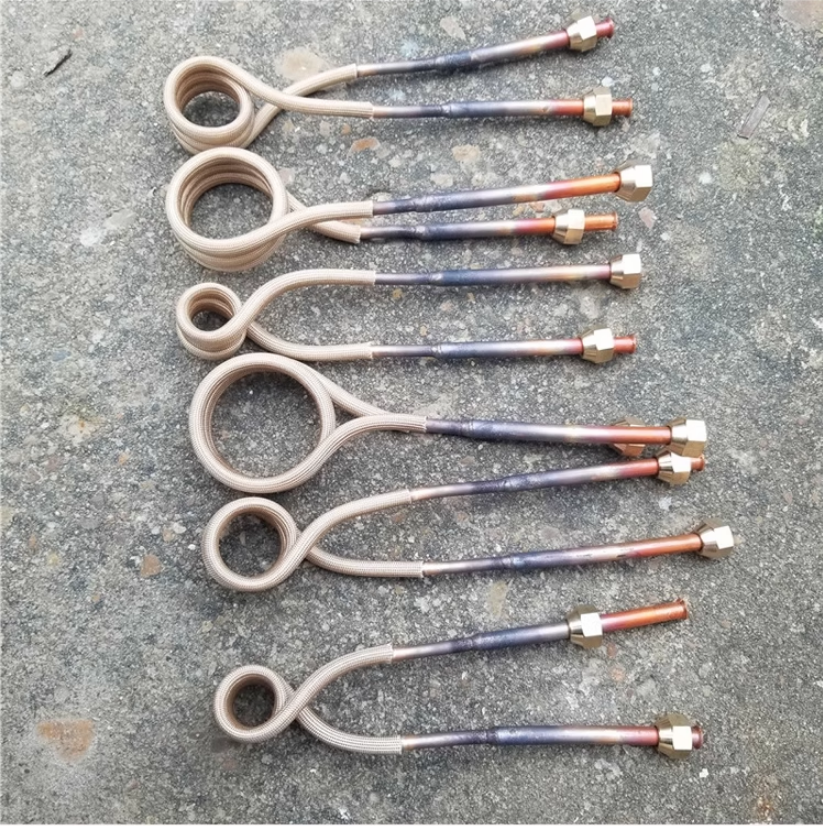
    The heating coil factory boasts strong versatility in shape customization, breaking free from the limitations of traditional single-form designs.  Leveraging professional mold development and precision processing technology, it creates a diverse range of coil shapes tailored to different scenarios, accurately matching the structural and installation requirements of customers' equipment:


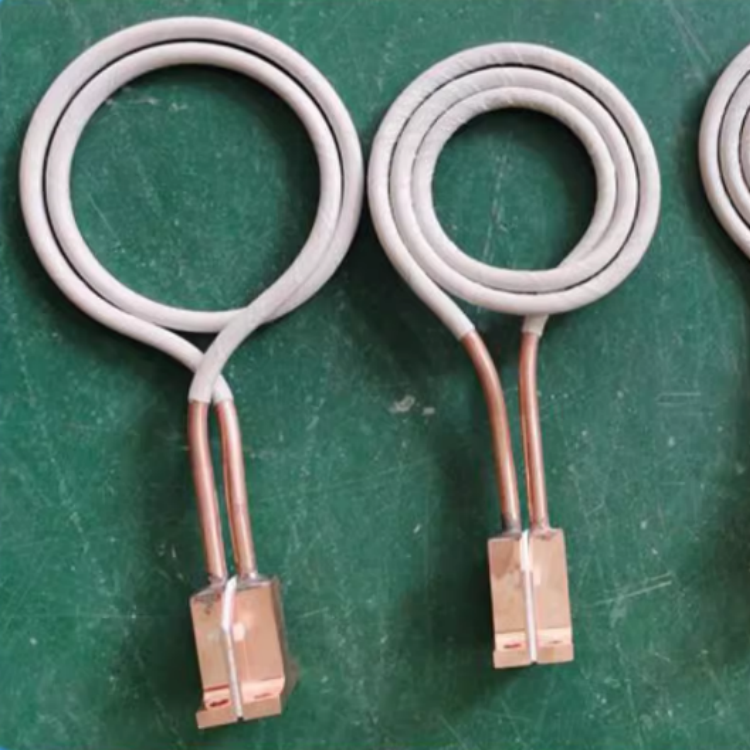
    Full Coverage of Basic Conventional Shapes: It can customize basic coil shapes such as circular, square, and rectangular, catering to standardized installation scenarios like household appliances (e.g., electric kettles, coffee machines) and small industrial equipment.  This ensures the coils perfectly fit the internal space of the equipment without wasting any extra installation area.


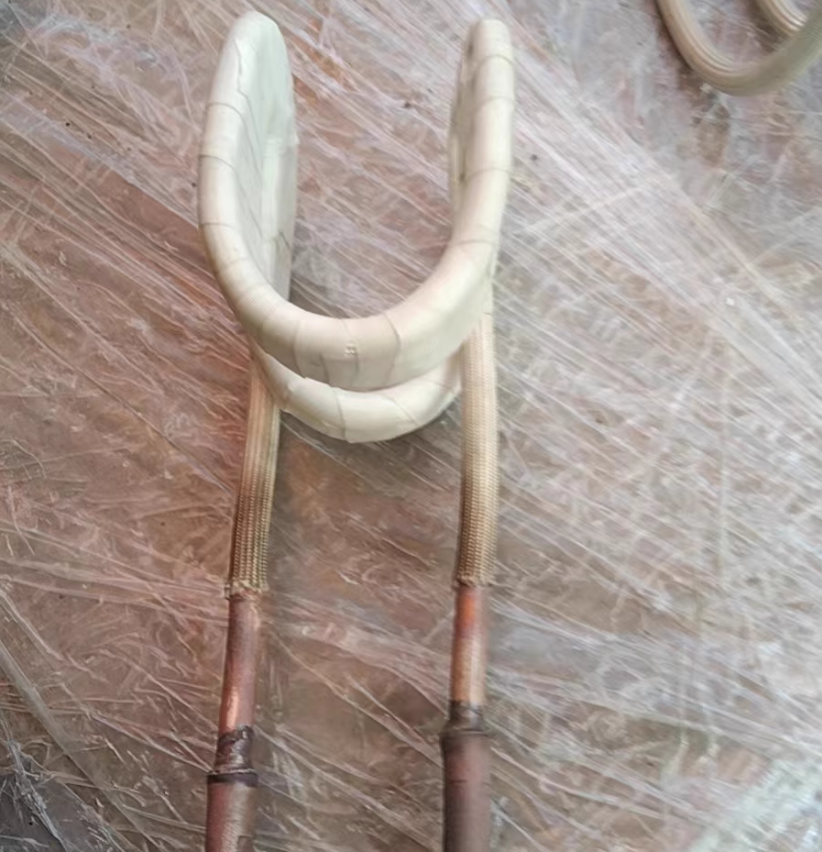
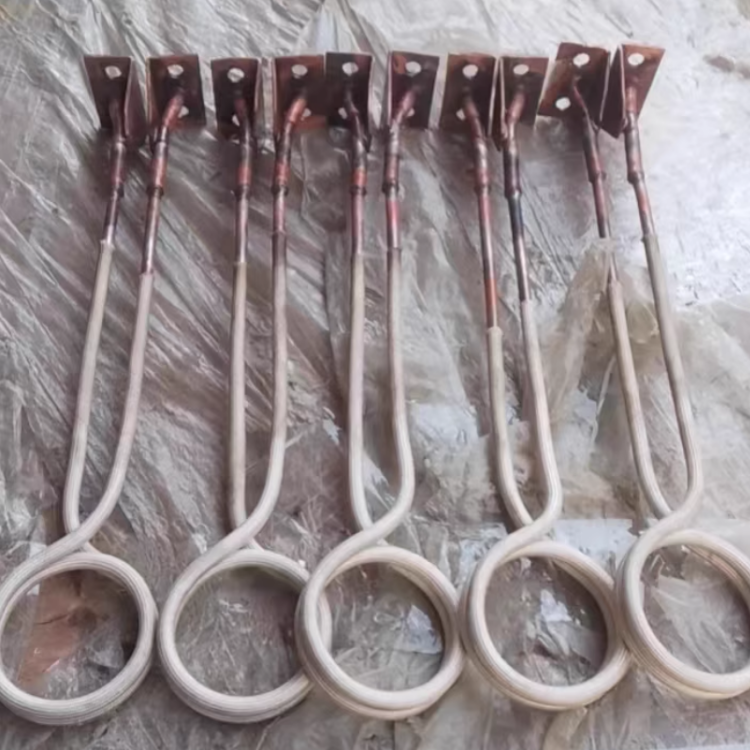
    Hassle-Free Customization of Special-Shaped Structures: To meet the needs of special equipment, it can precisely process special-shaped coils such as spiral, U-shaped, W-shaped, annular, and wavy ones.  For instance, spiral coils are suitable for pipeline heating scenarios, as they can be tightly wound around pipelines to achieve uniform heat conduction;  U-shaped coils fit the two-way heating demand in narrow spaces, such as the local heating modules of medical equipment;  annular coils can satisfy the circumferential heating of circular equipment, like the heating components of laboratory reaction kettles.


    Achievable Customization of Complex Combined Shapes: It supports the customization of combined shapes, such as composite structures like "spiral + straight section" and "U-shape + elbow", to cope with the complex wiring and heating path requirements inside the equipment.  Even if there are special structures like corners and protrusions in the coil installation area shown in the customer's equipment drawings, the coils can be seamlessly embedded through customized shape design.  This eliminates the need for customers to modify the original structure of the equipment to adapt to the coils, greatly reducing the customers' development and modification costs.


    induction coils

    The core advantages of induction heating coils lie in their high efficiency, precision and flexibility, and they can be adapted to various metal heating processes. However, they are also limited by materials, power supplies and the state of workpieces. The design and selection of induction heating technology need to comprehensively consider heating requirements (temperature, depth, area), workpiece characteristics (material, shape), and application scenarios (power, frequency), which is a key link in realizing the value of induction heating technology.


    Get the latest price? We will reply as soon as possible (within 12 hours)