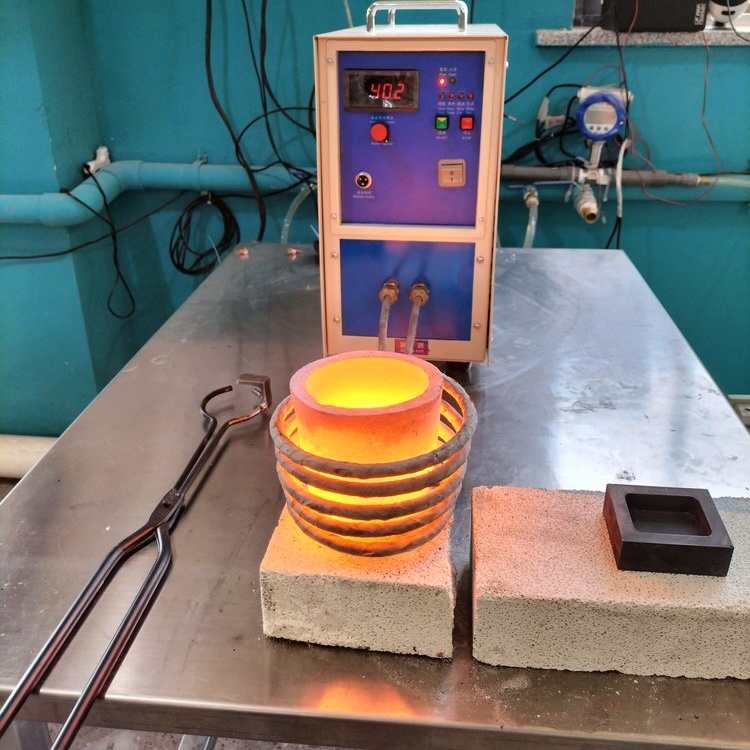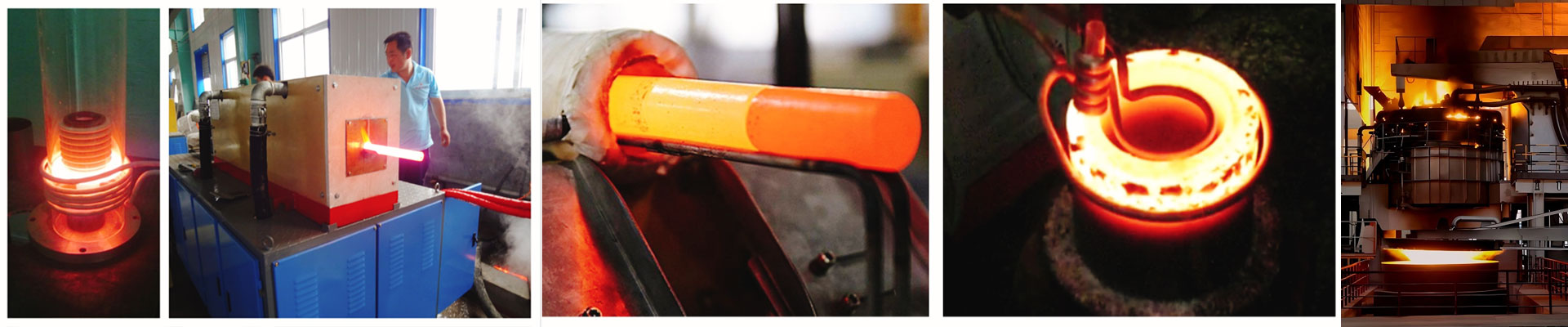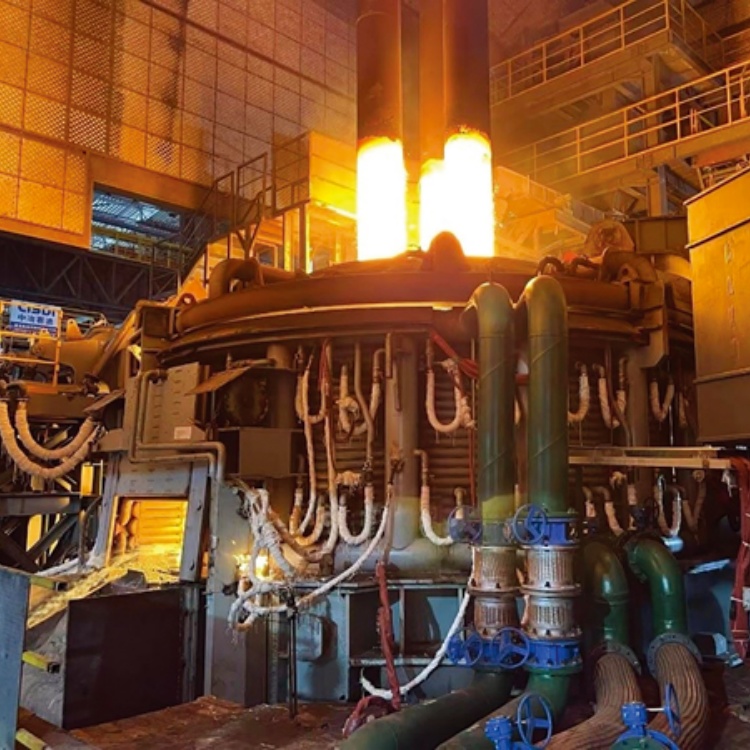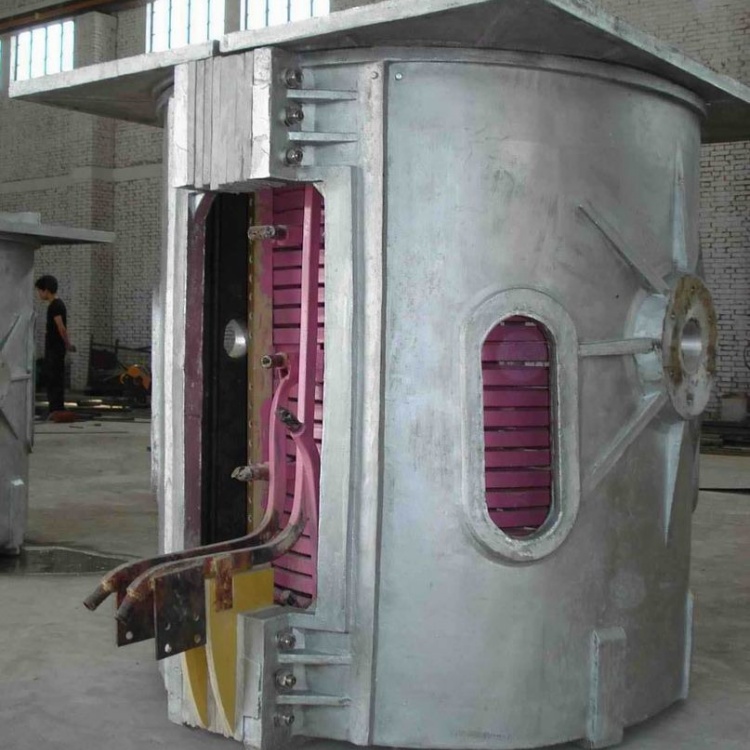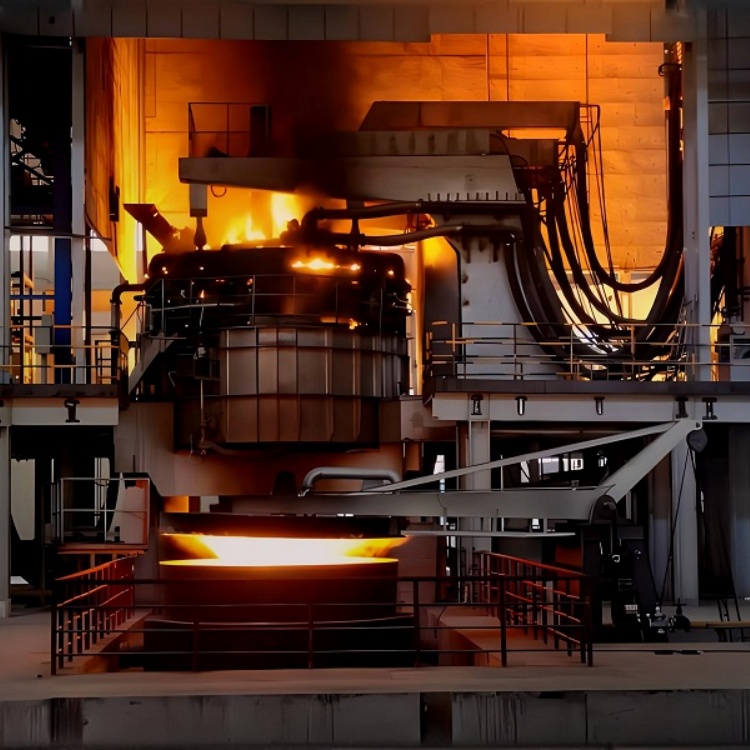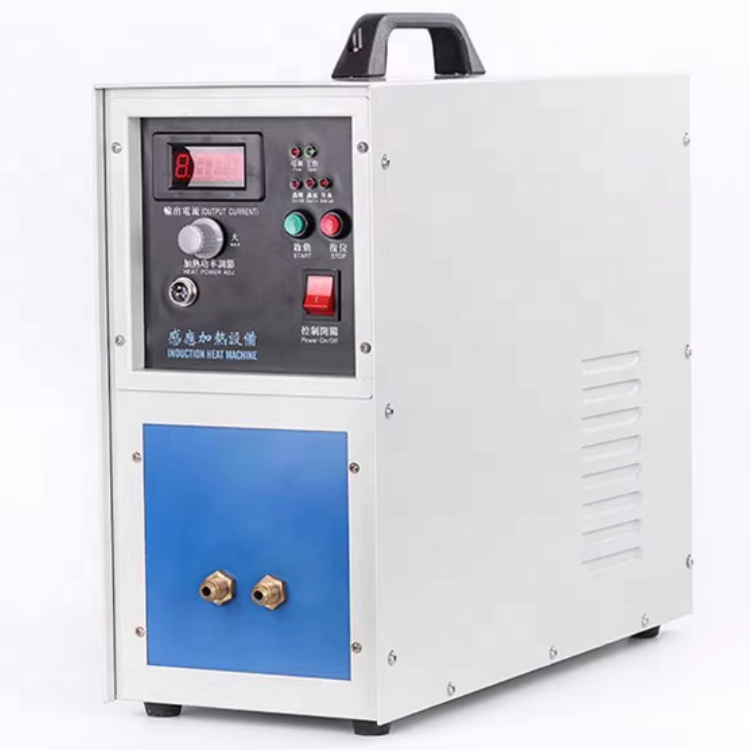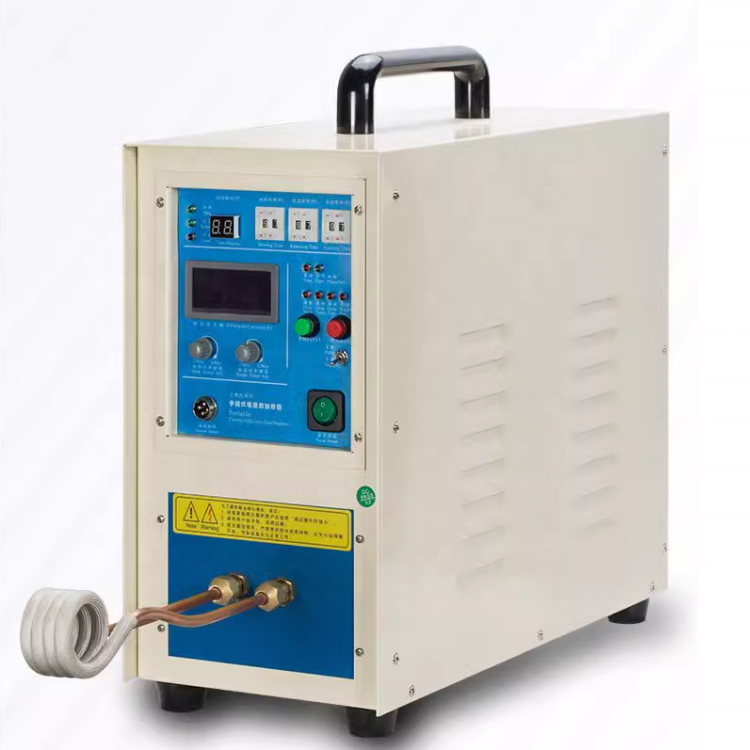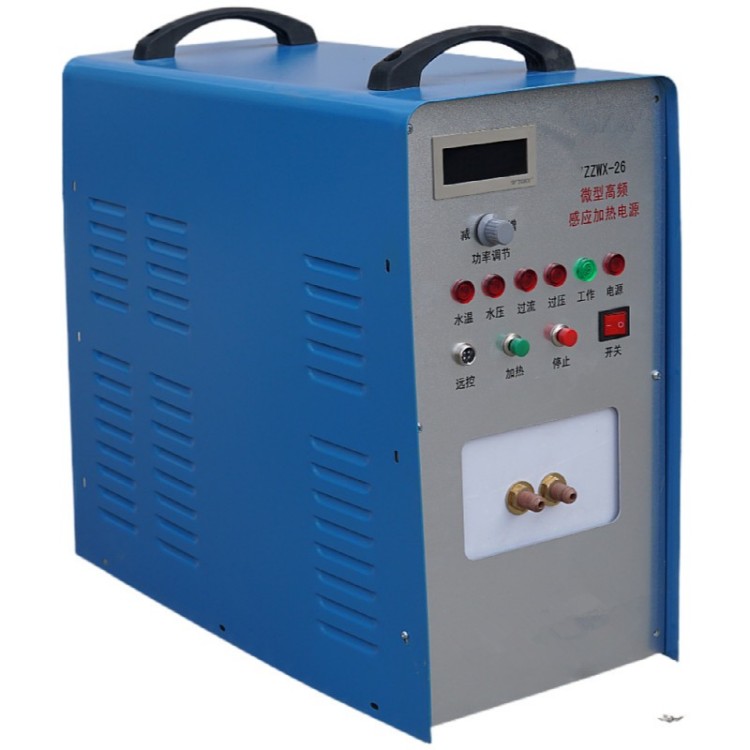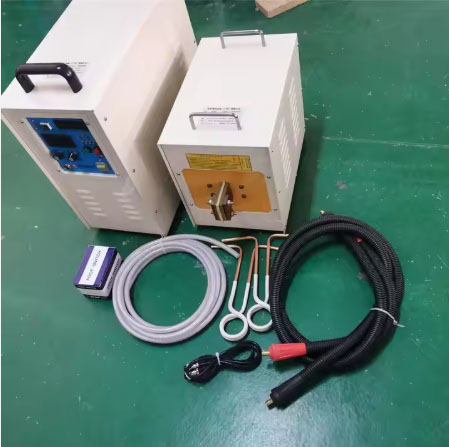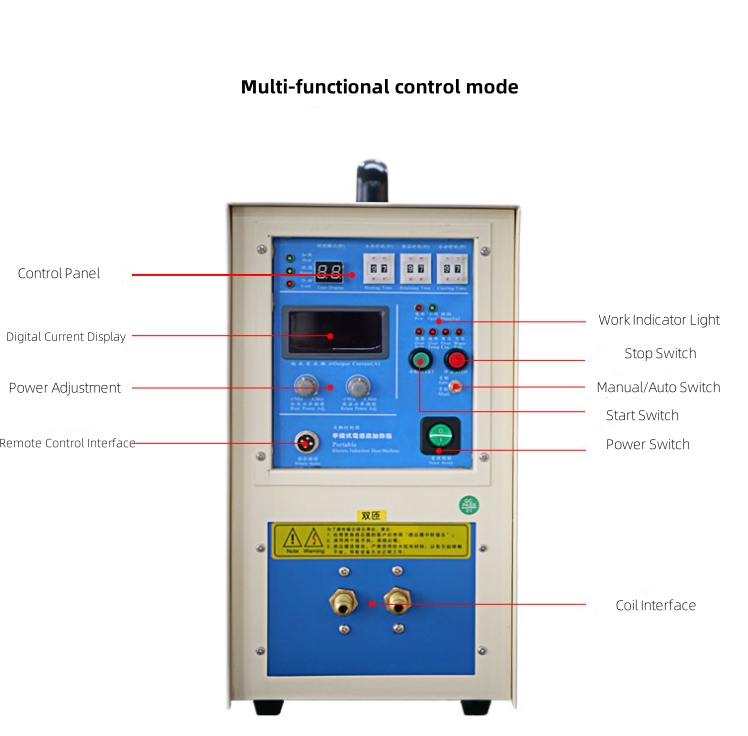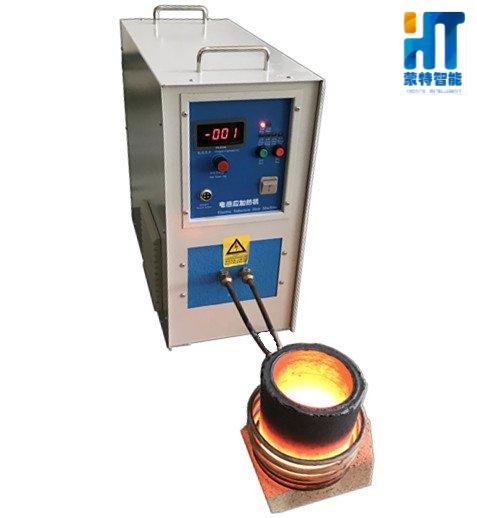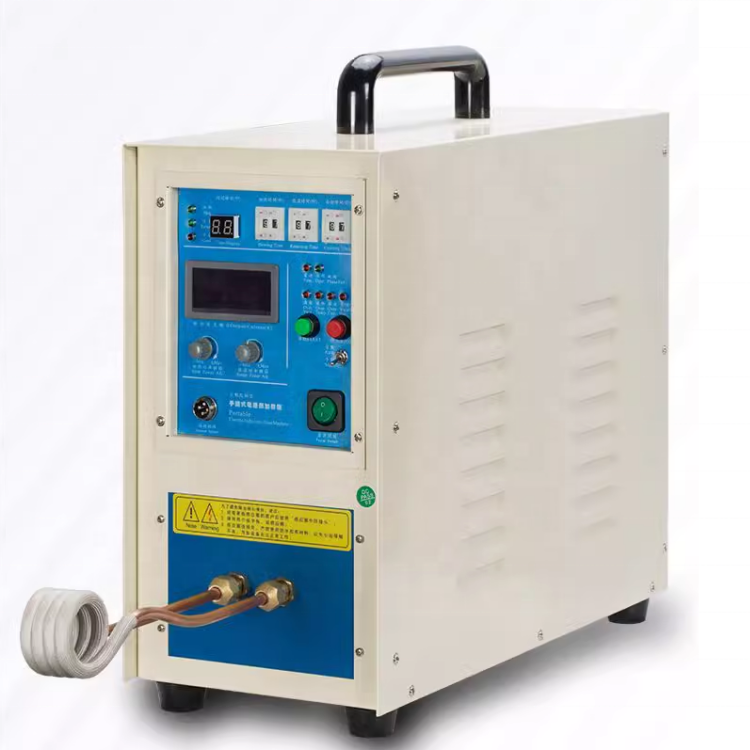
The advantages of induction melting heating furnace:
Erealize automatic control, promote heating quality and simplify artificial operation;realize automatic control, promote heating quality and simplify artificial operation;providing higher reliability and durability;Heating fast and uniform;Uniform Heating, Reducing Material Performance Defects.
The eddy current formed by the induction magnetic field inside the metal is relatively uniformly distributed, enabling the material to heat up synchronously from the inside to the surface. This avoids the "external heat and internal cold" phenomenon that may occur in traditional flame heating or resistance heating.For example: When melting aluminum alloys, uniform heating can prevent oxidation or component segregation caused by local overheating, ensuring the consistency of alloy performance.
Induction heating equipment finds extensive applications across various industries due to its efficiency, precision, and versatility:
In the automotive industry, it is widely used for processes like hardening gears, shafts, and camshafts to enhance their wear resistance, as well as for brazing components such as radiators and fuel lines.
The aerospace sector relies on it for precision heating of turbine parts, aircraft fasteners, and structural components, ensuring strict material property requirements are met during heat treatment or joining operations.
In metalworking and forging, induction heating efficiently preheats metals before forging, rolling, or extrusion, reducing energy consumption and improving process control.
The electronics industry utilizes it for soldering and brazing of electrical connectors, coils, and circuit components, where localized and precise heating is crucial to avoid damaging sensitive parts.
In manufacturing of pipes and tubes, it plays a role in seam annealing, stress relieving, and coating curing, ensuring the structural integrity and performance of the products.
Additionally, it is applied in jewelry making for annealing and soldering delicate metal pieces, as well as in research and development laboratories for various material testing and thermal processing experiments.
Applicable scenarios and materials:
The functional characteristics of induction melting make it particularly suitable for the following scenarios:
Medium and small batch precision melting: such as laboratory sample preparation, small casting production;
Metal smelting: gold, silver, copper, platinum, precision alloys (such as high-temperature alloys for aero engine blades);
Melting of active/easily oxidized materials: titanium, magnesium, aluminum and their alloys;
Heating of special-shaped workpieces: In addition to overall melting, the principle of induction melting can also be applied to local heating (such as melting and welding at the end of metal bar stock).