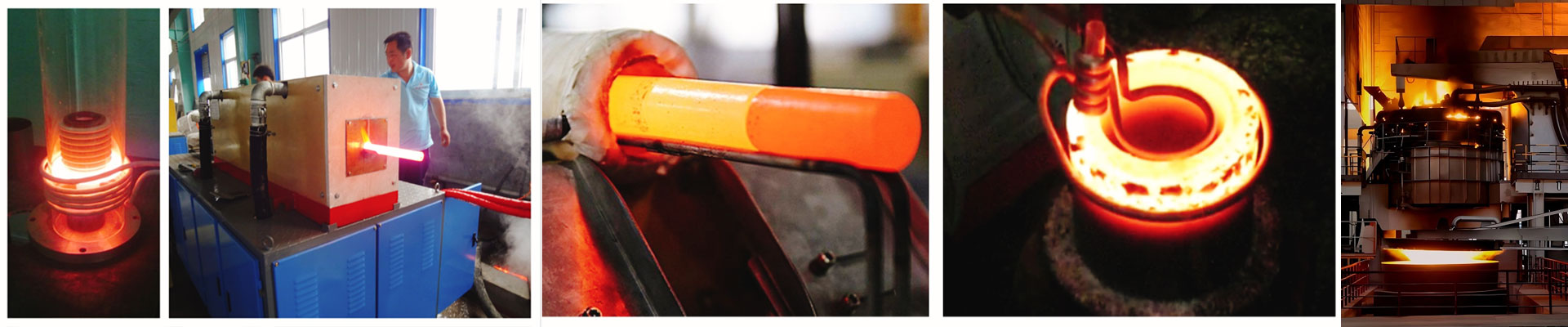
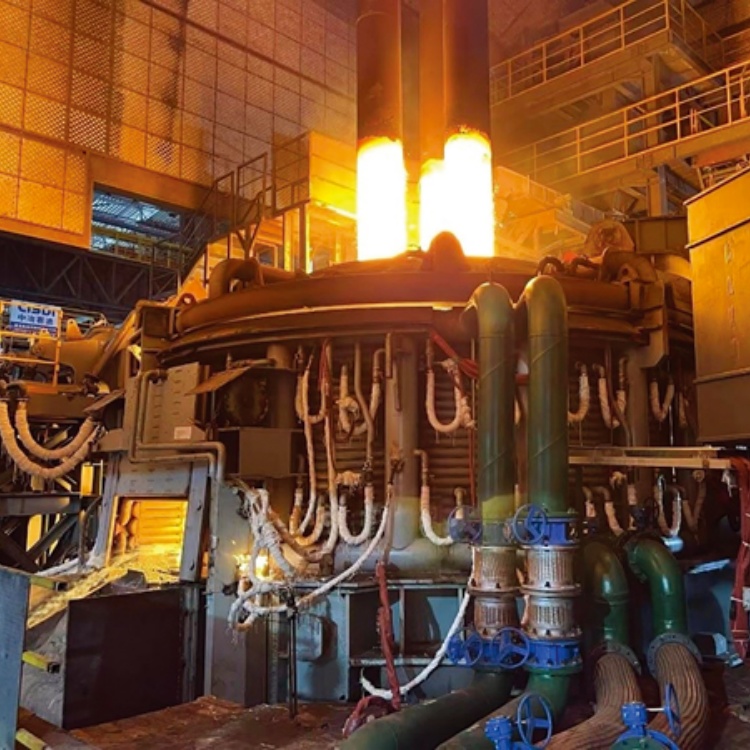
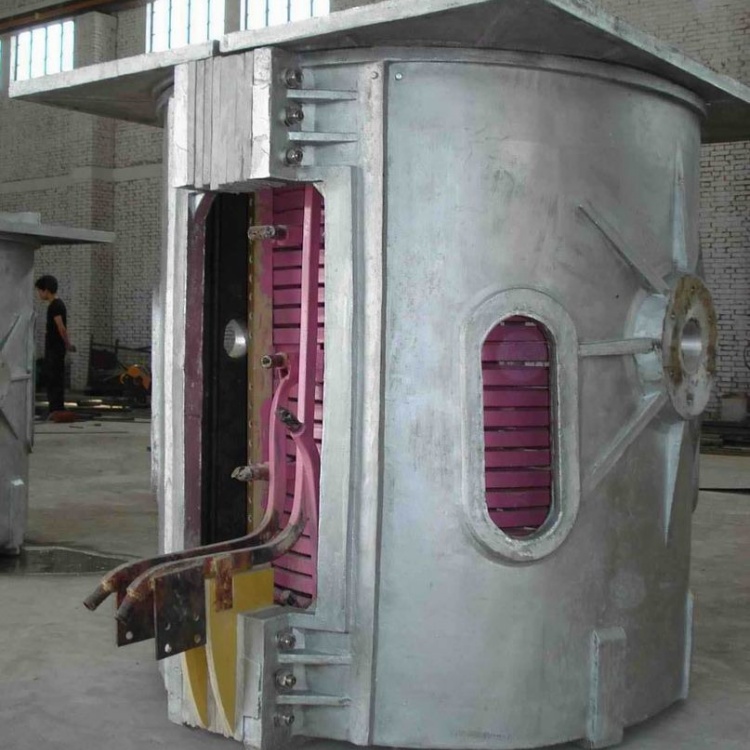
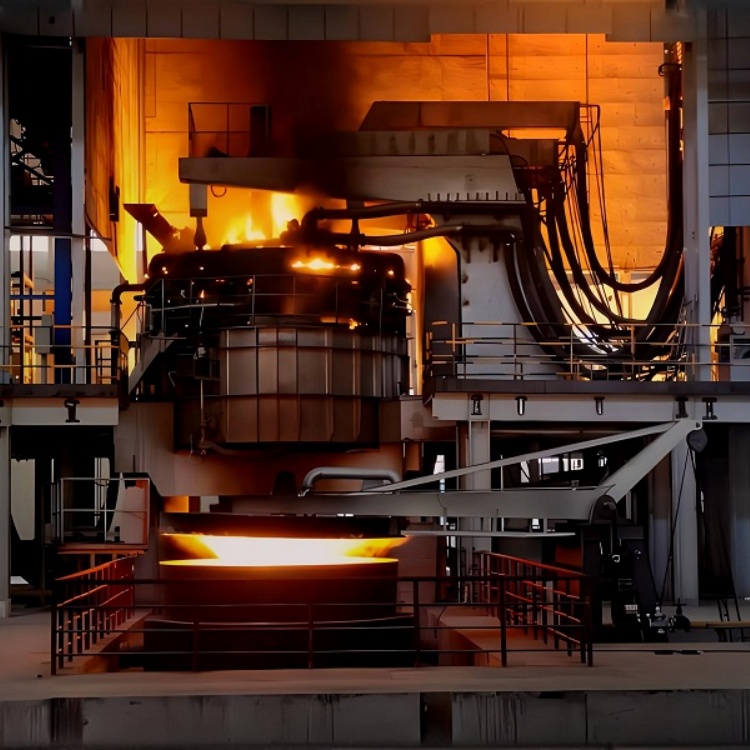
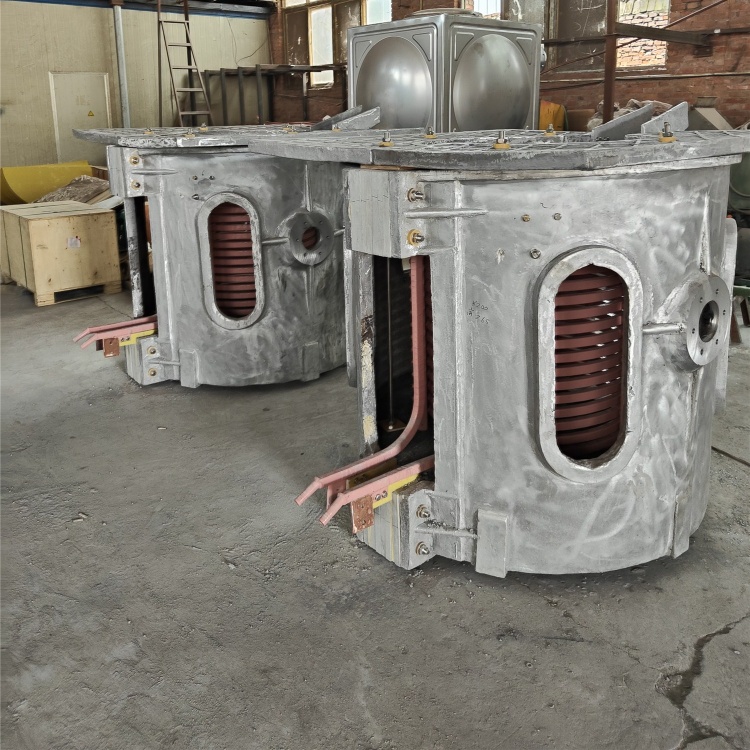
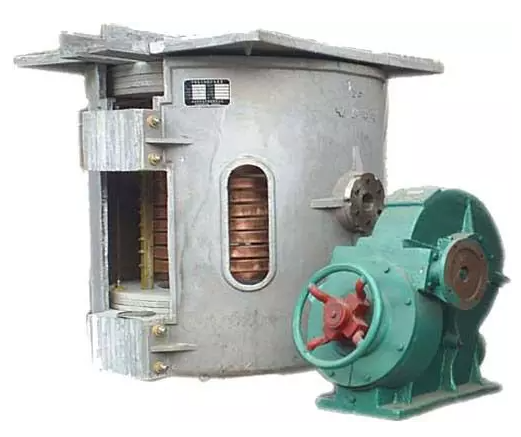
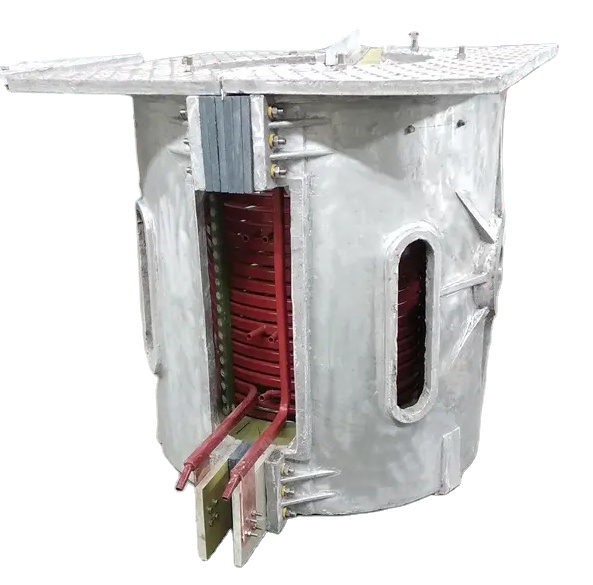
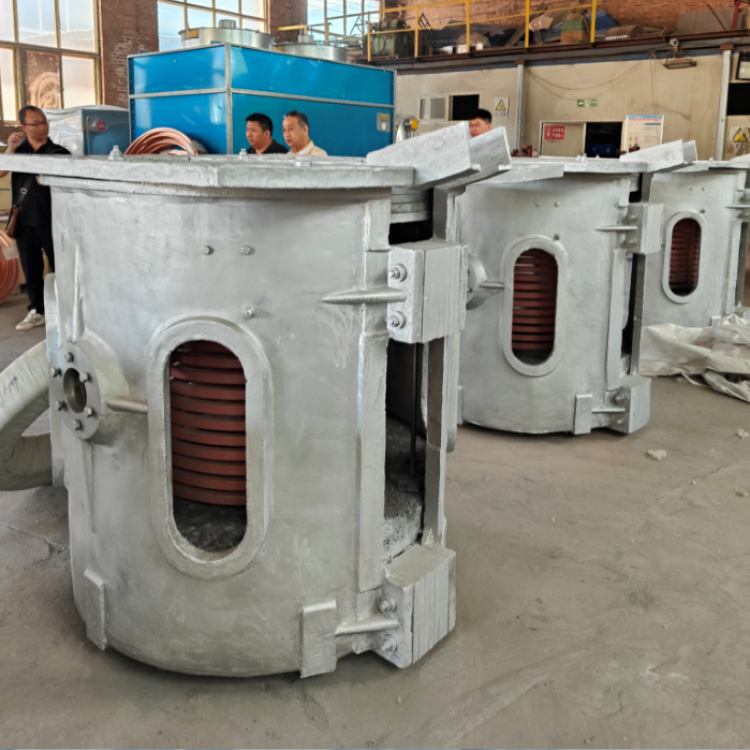
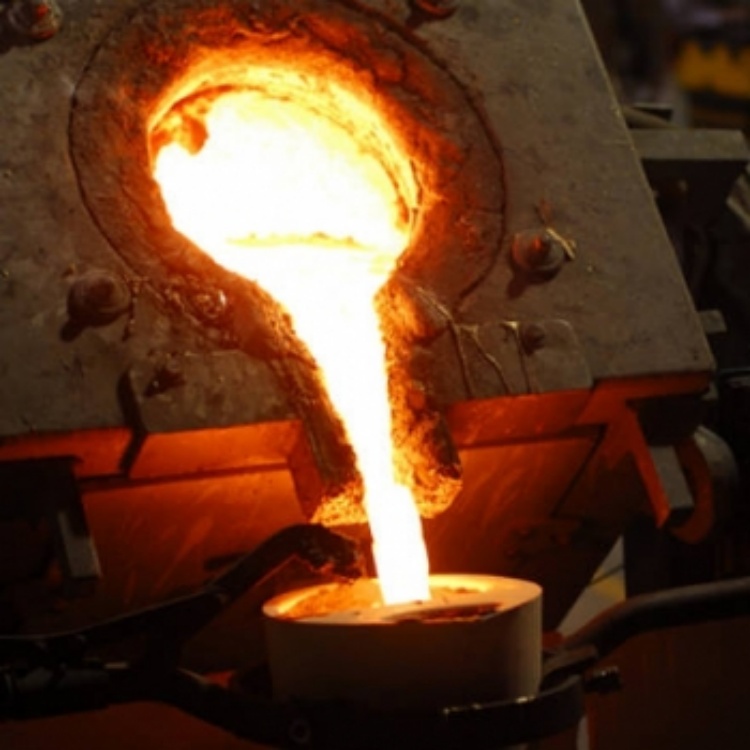
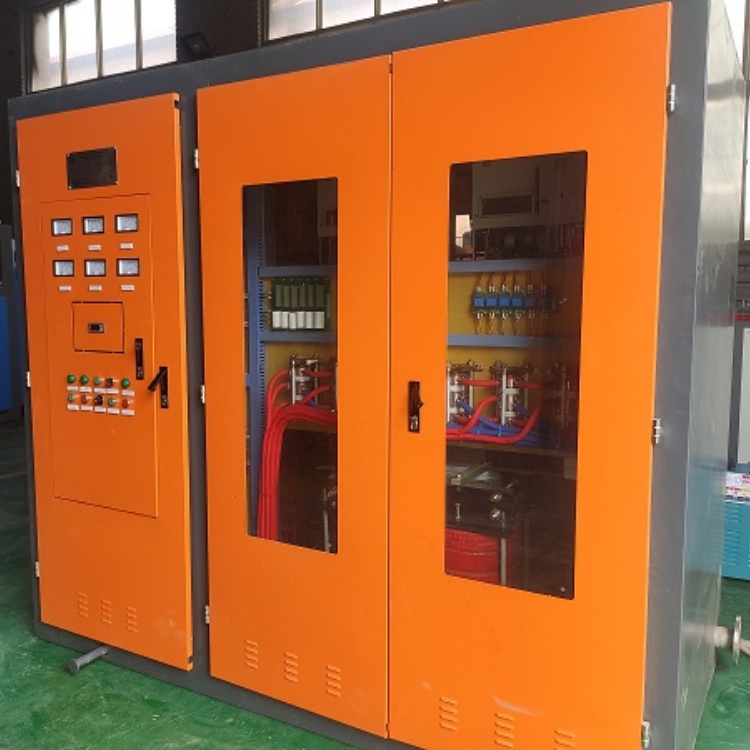
As a smelting equipment working on the principle of medium-frequency induction heating, the medium-frequency furnace is widely used in the metal processing field, with its characteristics and functions mainly reflected in the following aspects:
The core advantage of the medium-frequency furnace lies in efficient heating and precise temperature control. It generates an alternating magnetic field through a medium-frequency power supply, causing the metal materials in the furnace to induce eddy currents and heat up rapidly. The heating speed is more than 30% faster than that of traditional fuel-fired furnaces, enabling it to reach the required smelting temperature in a short time. Meanwhile, the equipped intelligent temperature control system can control the temperature fluctuation within ±5℃, meeting the precise temperature requirements of different metals (such as steel, iron, copper, aluminum and various alloys) during smelting, and ensuring uniform metal composition and stable performance.
In terms of energy consumption and environmental protection performance, the medium-frequency furnace performs excellently. Its induction heating method has a high energy conversion rate, with unit energy consumption being about 20% lower than that of arc furnaces. Moreover, it produces no smoke and dust from fuel combustion, and can further reduce pollutant emissions with the cooperation of a furnace gas recovery system, meeting the green production needs of modern industry.
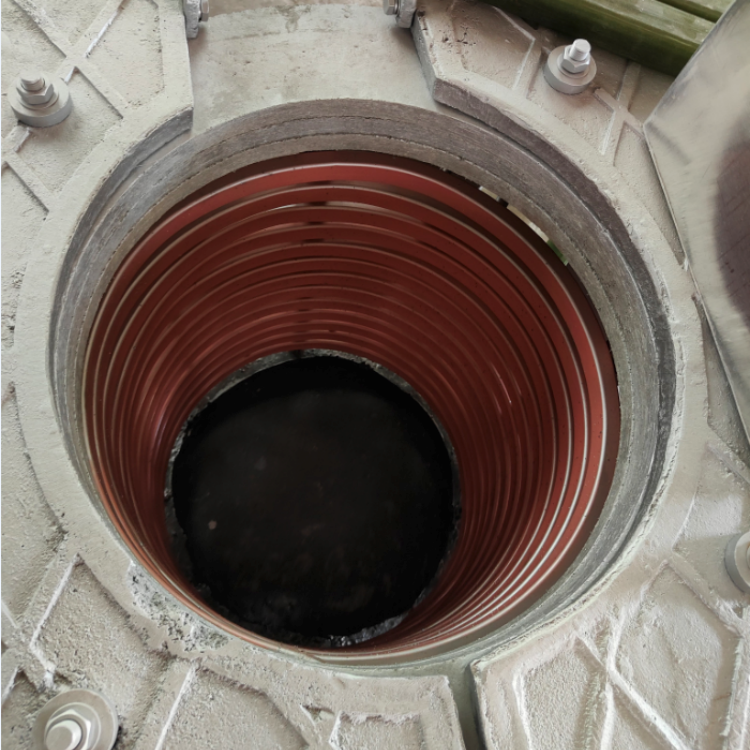
In terms of operation, the medium-frequency furnace has achieved a high degree of automation and flexibility. Through a programmable control system, smelting programs can be preset to automatically complete processes such as heating, heat preservation and stirring, reducing manual intervention. The furnace body is mostly designed with a tiltable structure, which can flexibly adjust the pouring angle, facilitating the transfer and casting of molten metal and adapting to small-batch and multi-variety production scenarios. In addition, the smelting process can be monitored in real time, and parameters such as temperature and liquid level in the furnace are fed back through sensors, allowing operators to adjust in a timely manner and improving production stability.
In terms of application range, the medium-frequency furnace can not only smelt ferrous and non-ferrous metals, but also be used in heat treatment processes such as heat penetration and quenching of metal materials. Its multi-purpose feature makes it favored in industries such as machinery manufacturing, auto parts and precision casting.
In conclusion, with the characteristics of high efficiency, energy saving, precise control and flexible operation, the medium-frequency furnace has become a key equipment in the modern metal processing field, providing strong support for improving production efficiency and product quality.