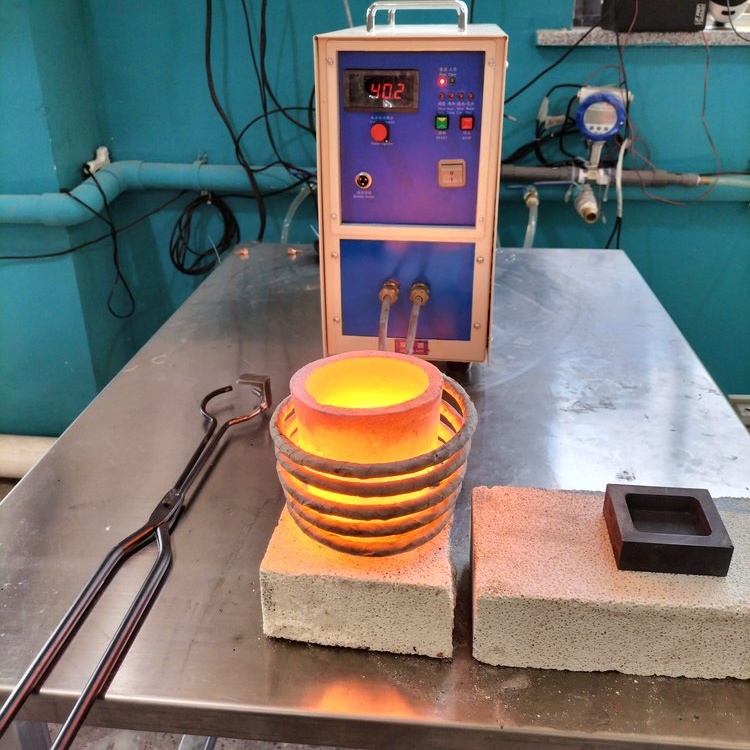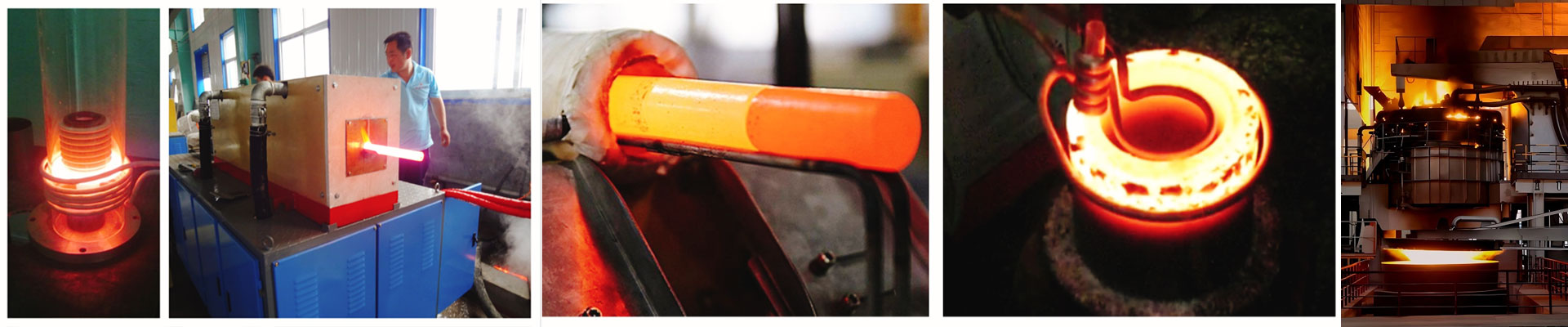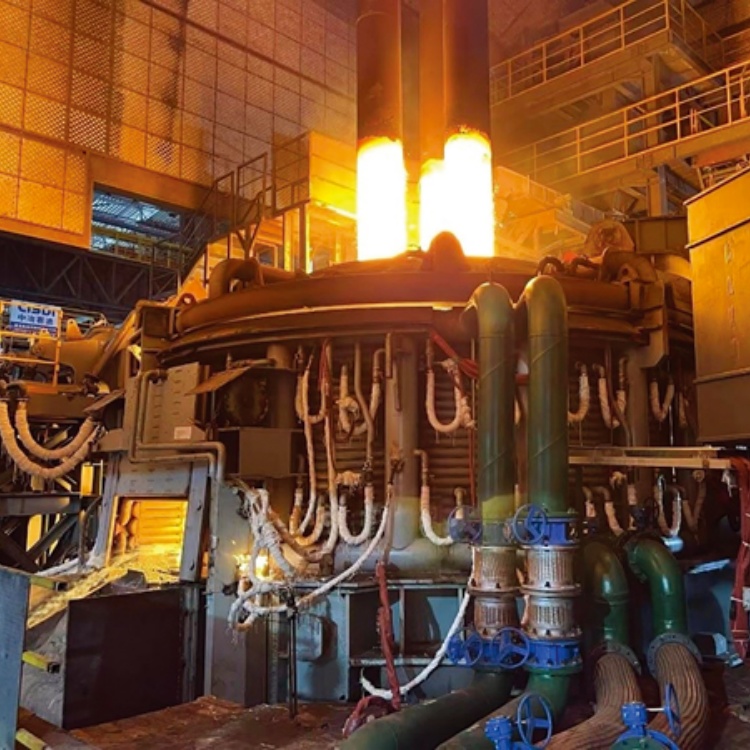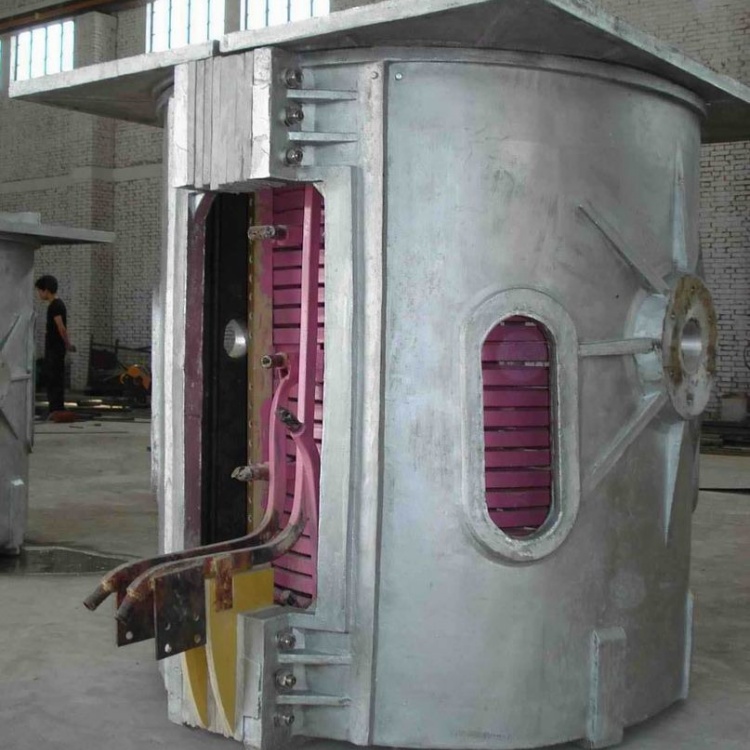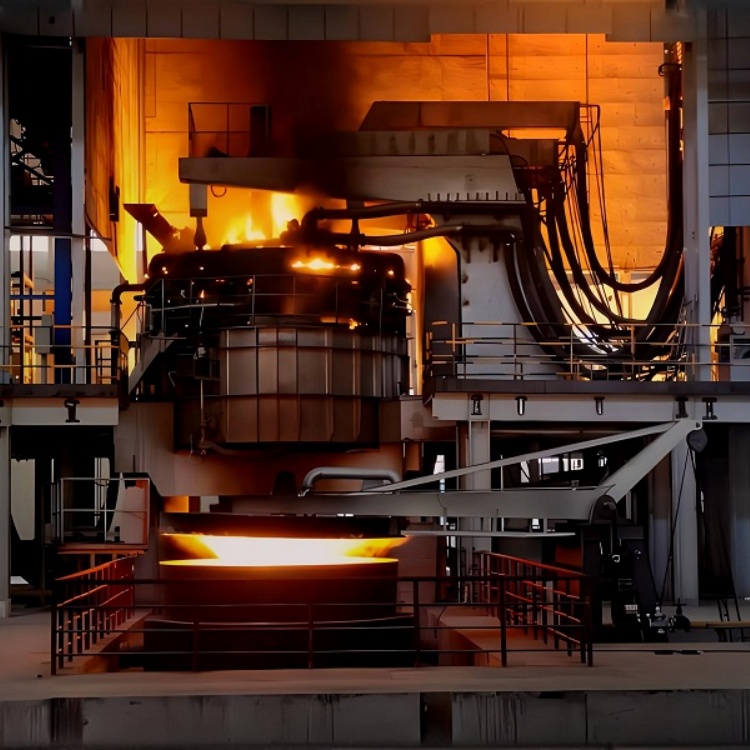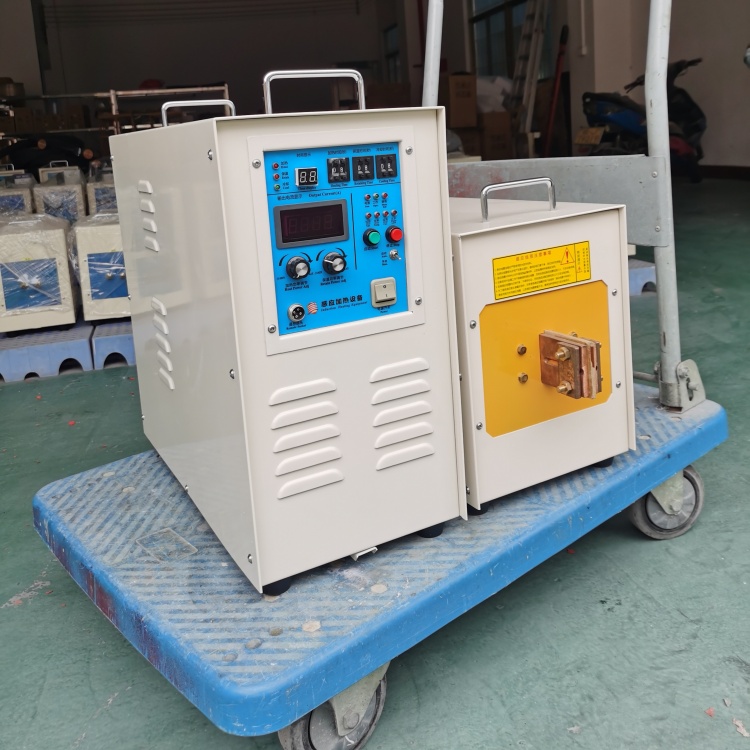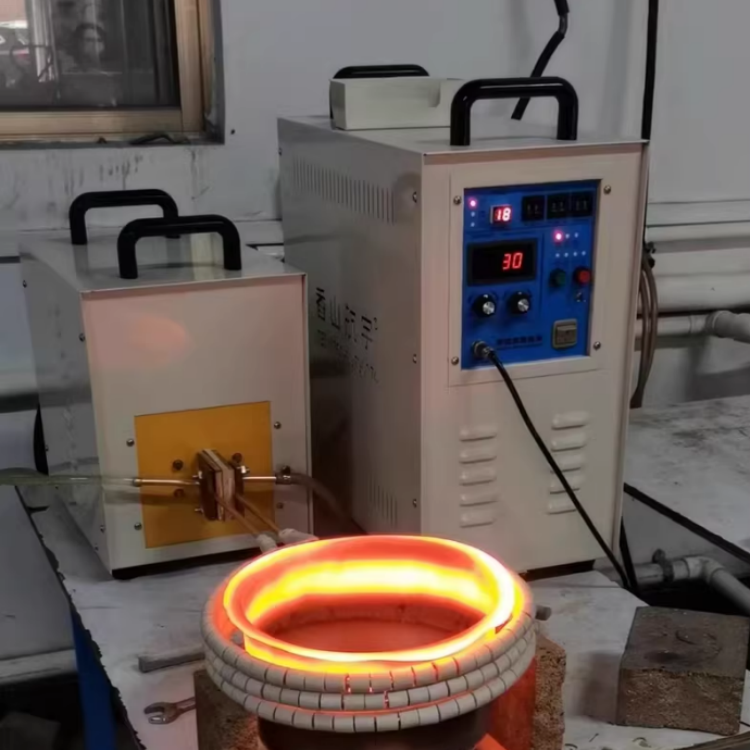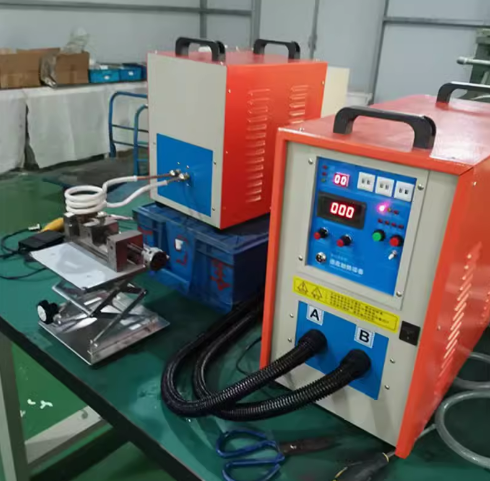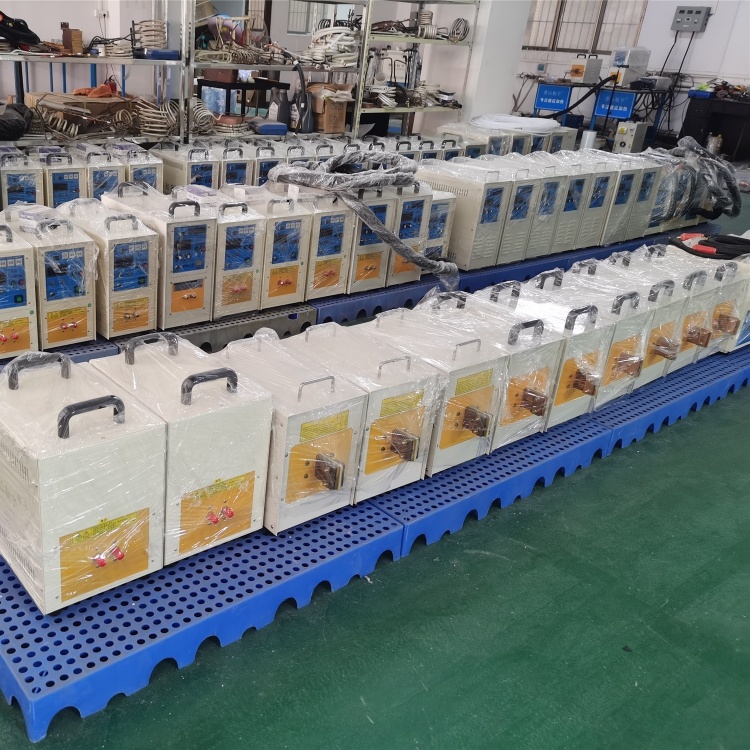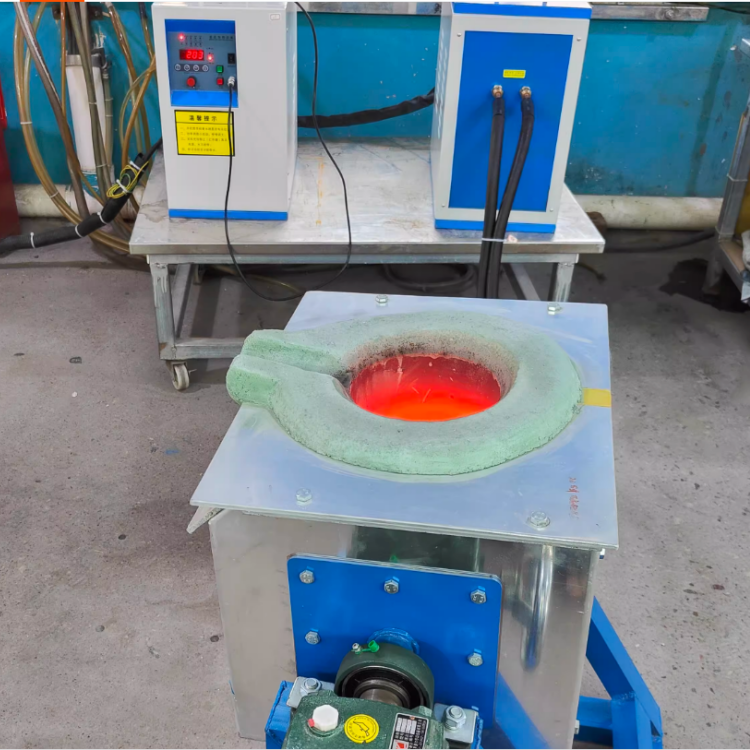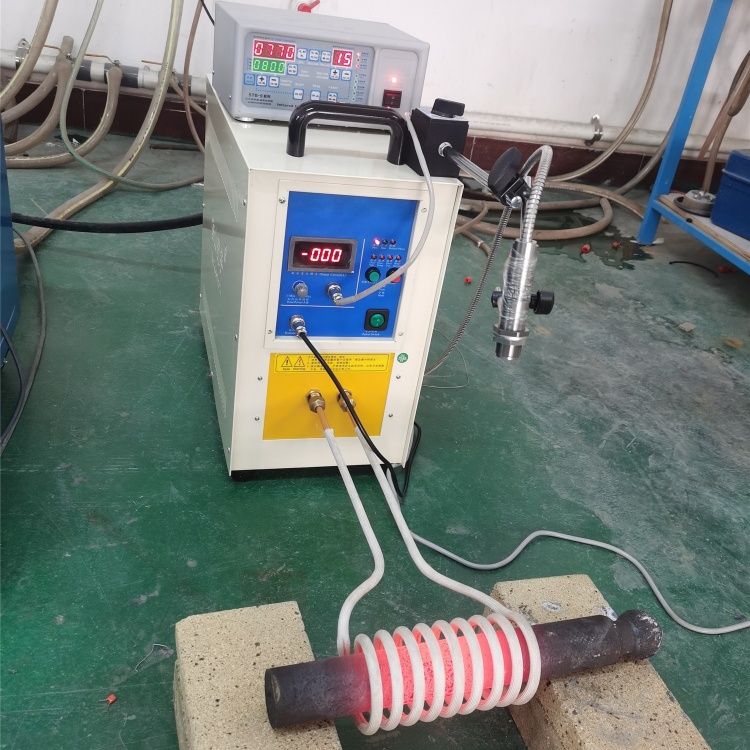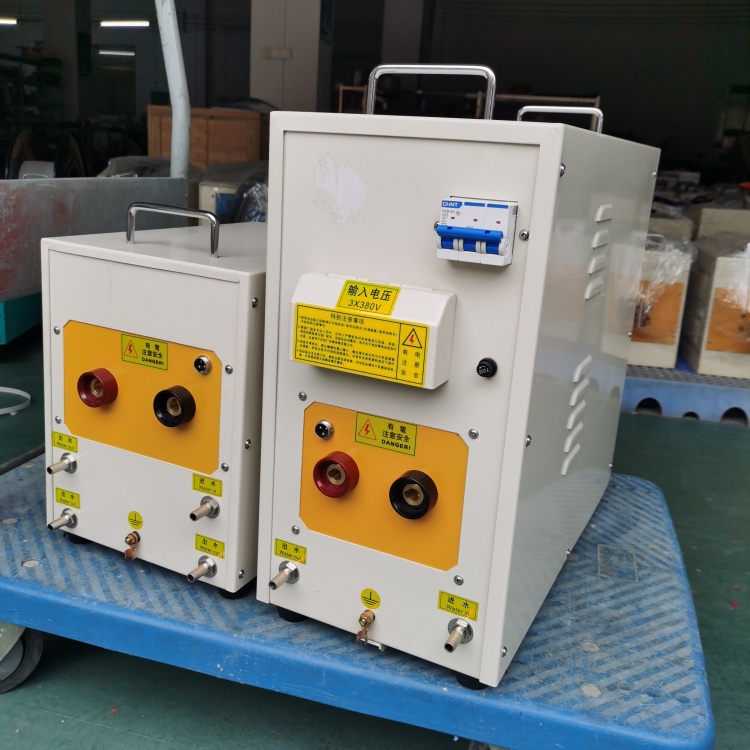
The split cabinet of induction heating power supply and electric melting is an important part of industrial induction heating equipment. Its "split" design (i.e., the power supply part is separated from the electric melting (load) part) has many advantages compared with the integrated structure, especially suitable for specific industrial scenarios. The main advantages are as follows:
More flexible installation and layout
The split design allows the power cabinet and the electric melting cabinet (including induction coil and load part) to be installed separately, which can be flexibly arranged according to the on-site space conditions. For example, the power cabinet can be installed in a control room with relatively clean environment and good ventilation or in an area far away from high temperature/dust, while the electric melting part can be directly close to the heated workpiece, reducing line loss and installation restrictions.
Adapt to harsh working environment
The electric melting part (such as induction coil, transformer) usually needs to directly face harsh environments such as high temperature, dust and water vapor, while the power supply part (including precision electronic components and control system) has higher requirements for the environment. The split design can place the power cabinet alone in a clean and low-temperature environment, avoiding it from being affected by harsh conditions, prolonging the service life of the equipment and reducing the failure rate.
Facilitate maintenance and overhaul
The power supply system and the electric melting system have different types of faults and maintenance requirements. The split structure enables the maintenance of the two to be carried out independently: there is no need to disassemble the electric melting part when maintaining the power supply, and vice versa, which reduces cross-interference and maintenance difficulty, improves maintenance efficiency and reduces downtime.
Optimize heat dissipation performance
The power supply part (especially high-frequency power supply) will generate a lot of heat during operation and needs a good heat dissipation design; while the electric melting part (such as induction coil) itself is in a high-temperature environment, and its heat dissipation requirements are different. The split design can configure heat dissipation systems for the two respectively (such as fans/water cooling for the power cabinet, high-temperature resistant heat dissipation structure for the electric melting part), avoiding mutual influence and improving the overall heat dissipation efficiency.
Flexibly match different load requirements
In industrial production, the same set of power supply system may need to match different specifications of electric melting devices (such as induction coils of different powers and shapes) to meet the heating needs of various workpieces. The split design makes the matching between the power supply and the electric melting part more flexible. It is only necessary to replace the electric melting components without replacing the entire equipment, which reduces the equipment investment cost.