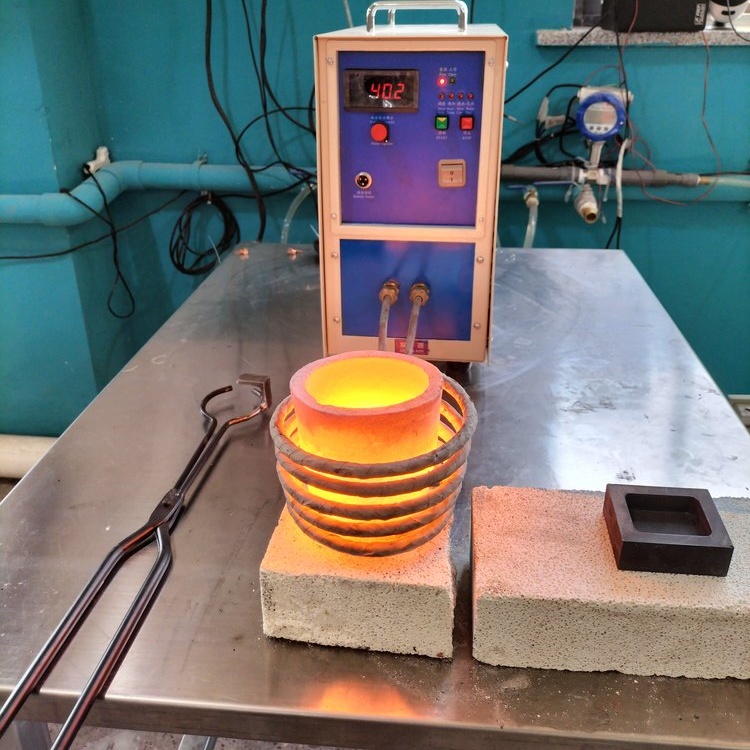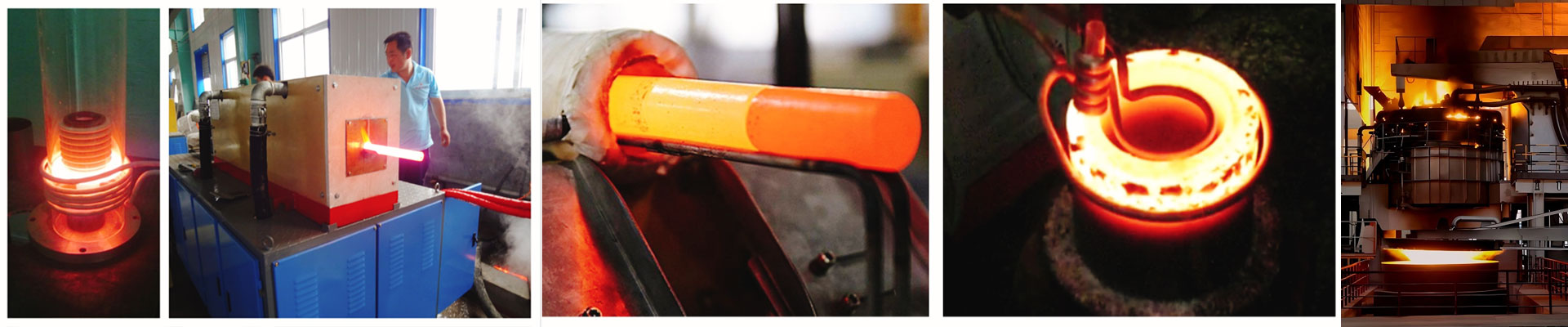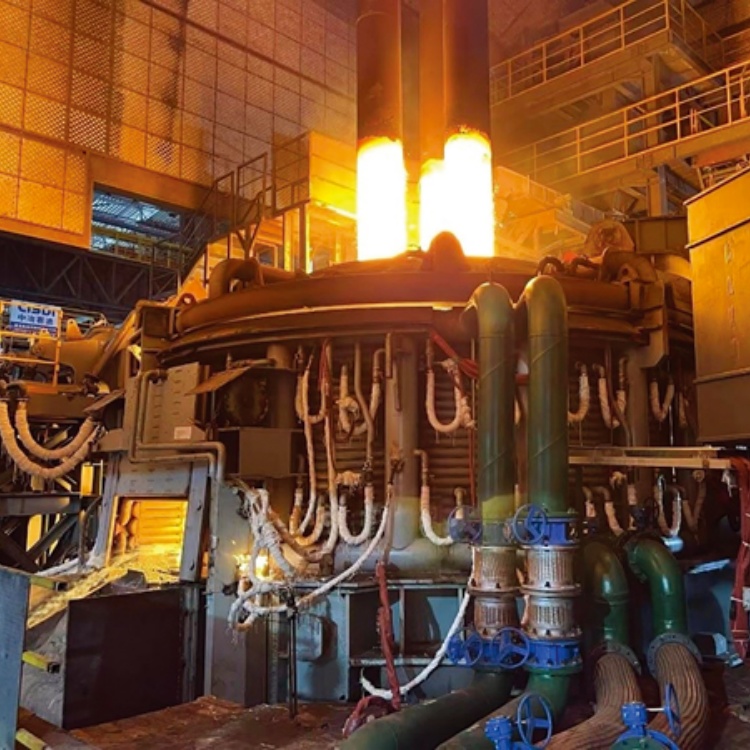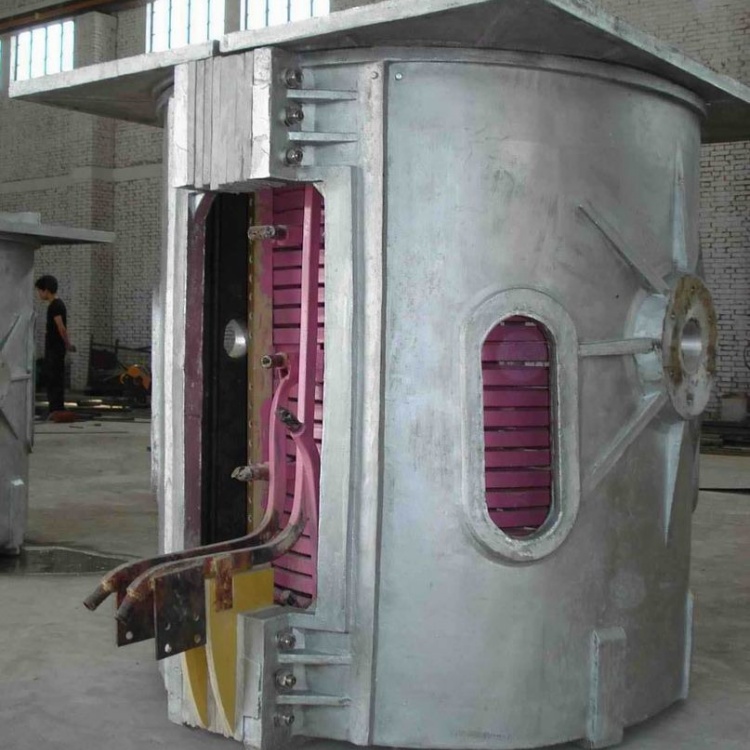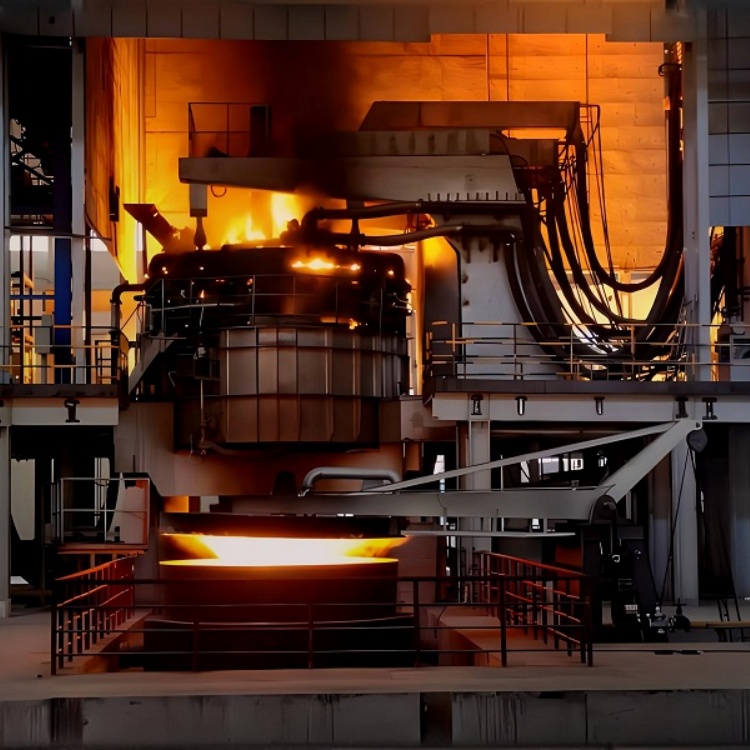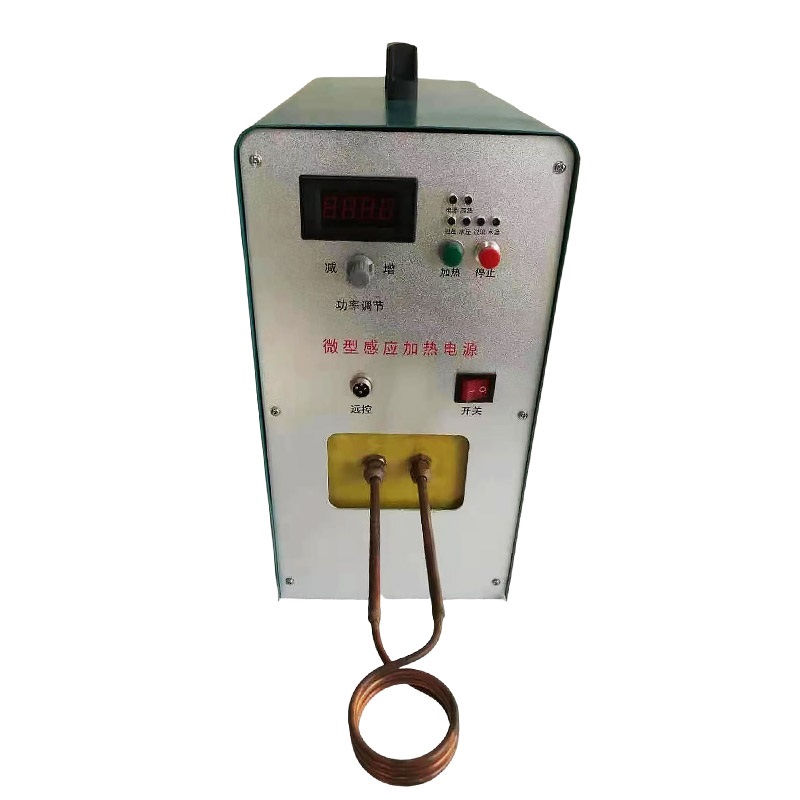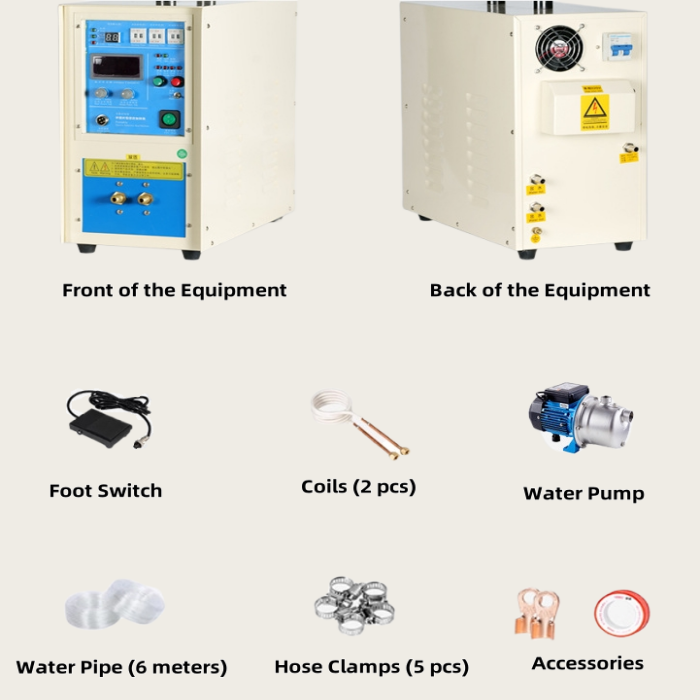
In the galaxy of industrial heating equipment, the electric heating melting furnace is undoubtedly a star that combines versatility and precision. With electric energy as its core driving force, it skillfully integrates multiple functions into one, becoming a capable assistant in fields such as metal processing and material experimentation. It can easily handle the efficient melting of common metals like steel, aluminum alloys, and copper, as well as the precise composition control and purification of special alloys. It not only supports continuous operation in mass production but also meets the flexible temperature control needs of small-batch experiments. From the full-process control of low-temperature preheating to high-temperature melting, and the mode switching from uniform heating to rapid temperature rise, the seamless connection of multiple functions enables it to demonstrate excellent adaptability in different scenarios, providing users with efficient, stable, and diversified heating solutions.
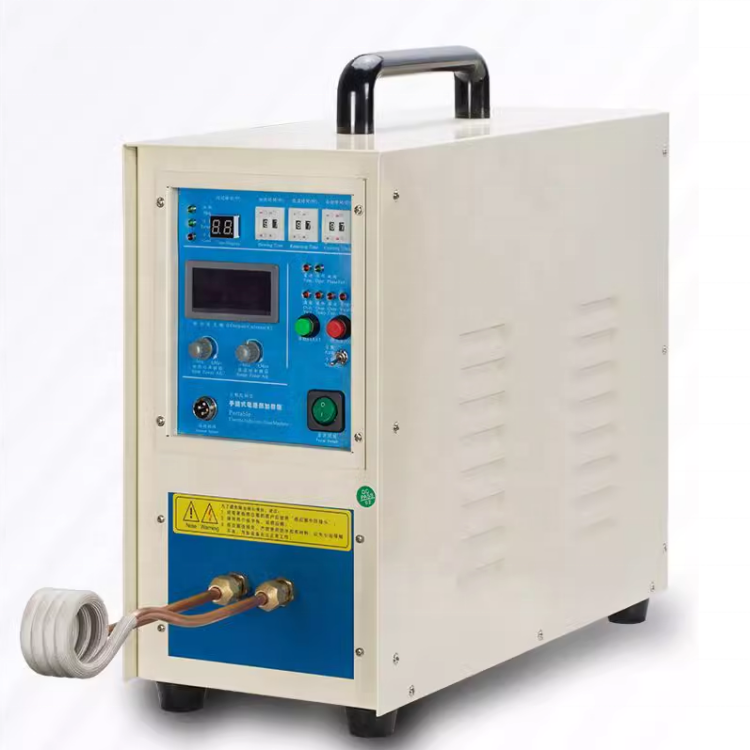
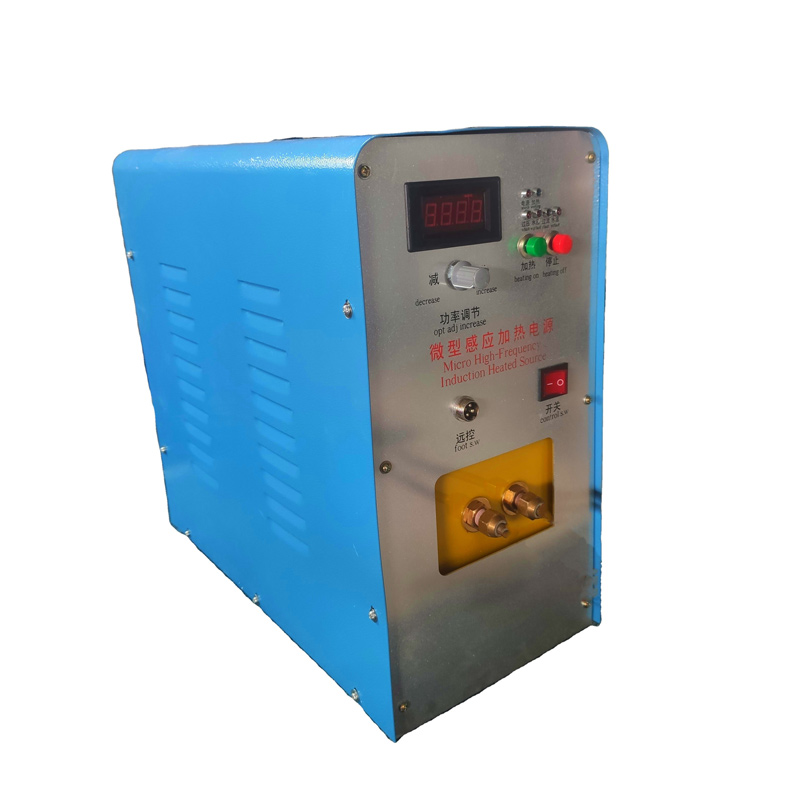
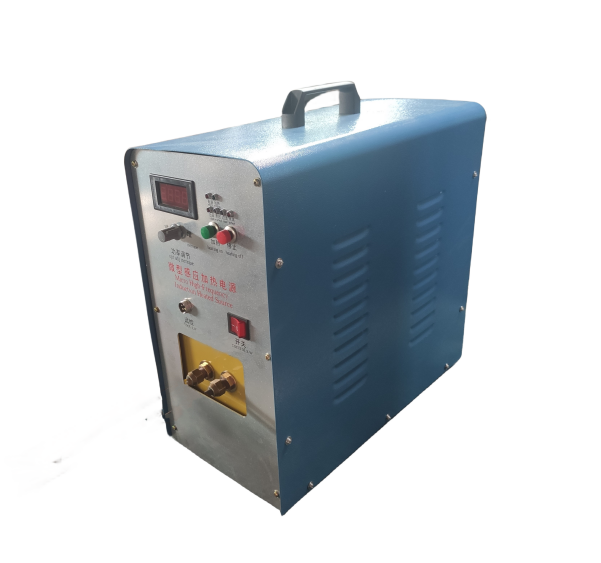
The power cabinet, as a core component of the electric heating melting furnace, plays a pivotal role in the melting function. It precisely regulates and controls the electric energy input to the furnace, ensuring a stable and adjustable heating process essential for melting. By converting and distributing electrical power with high efficiency, it provides the necessary energy to raise the temperature inside the furnace to the melting point of various metals,It can smelt various metals,such as steel, iron, aluminium, copper, gold and silver.
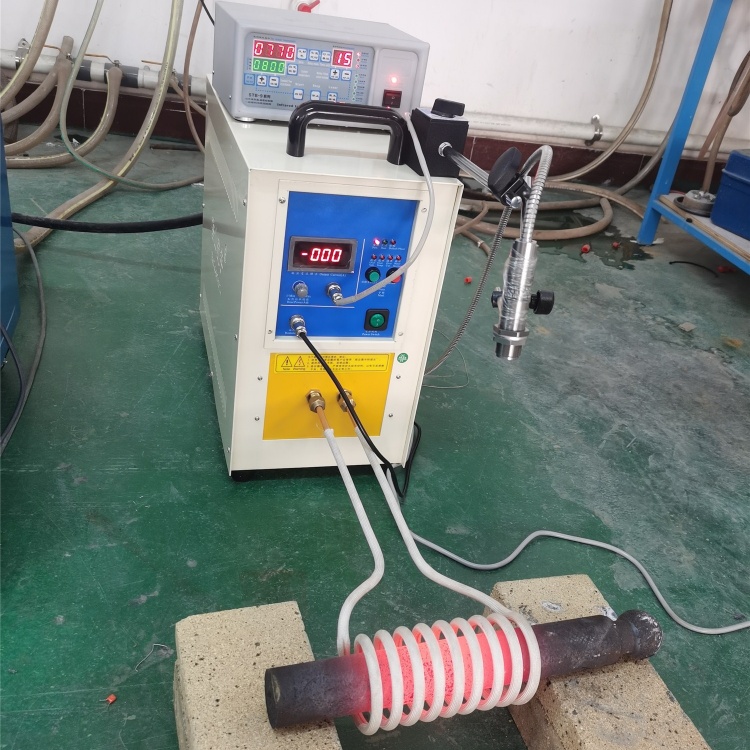
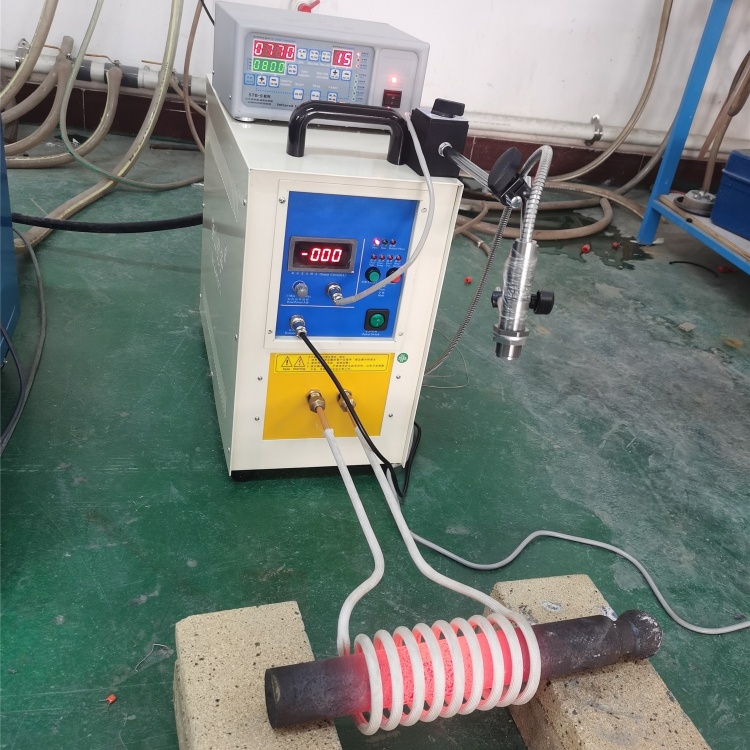
Induction heating, a key function integrated into the electric heating melting system, operates on the principle of electromagnetic induction to achieve efficient and precise heating. When an alternating current passes through the induction coil, it generates a rapidly changing magnetic field around it. As conductive metals are placed within this magnetic field, eddy currents are induced within the material, converting electrical energy into heat directly within the metal itself—eliminating the need for intermediate heating elements and minimizing heat loss.It can be used in various scenarios such as heating quenching, heating welding, and heating forging .