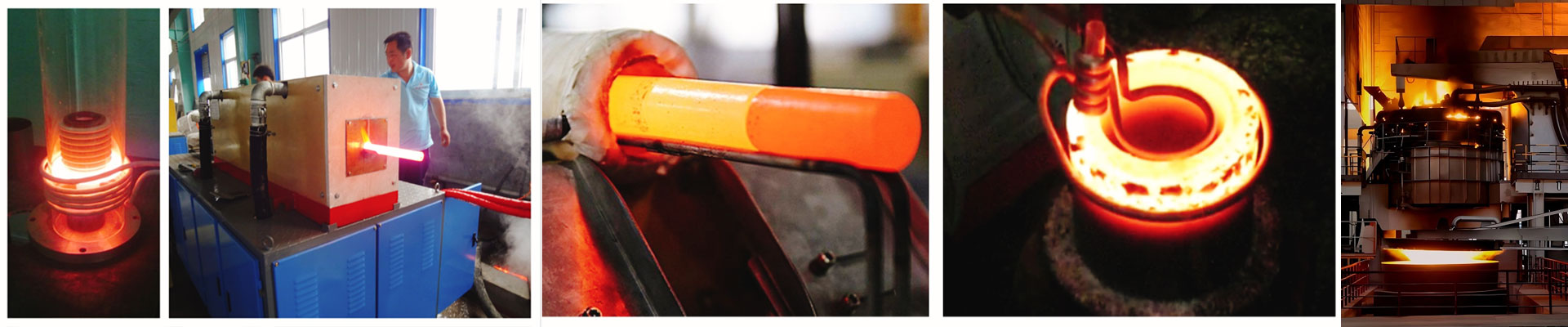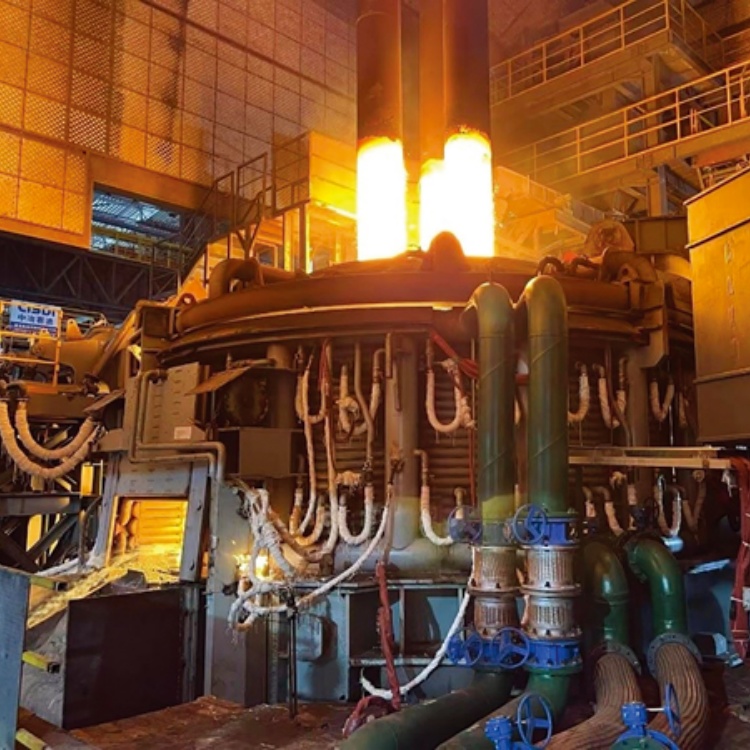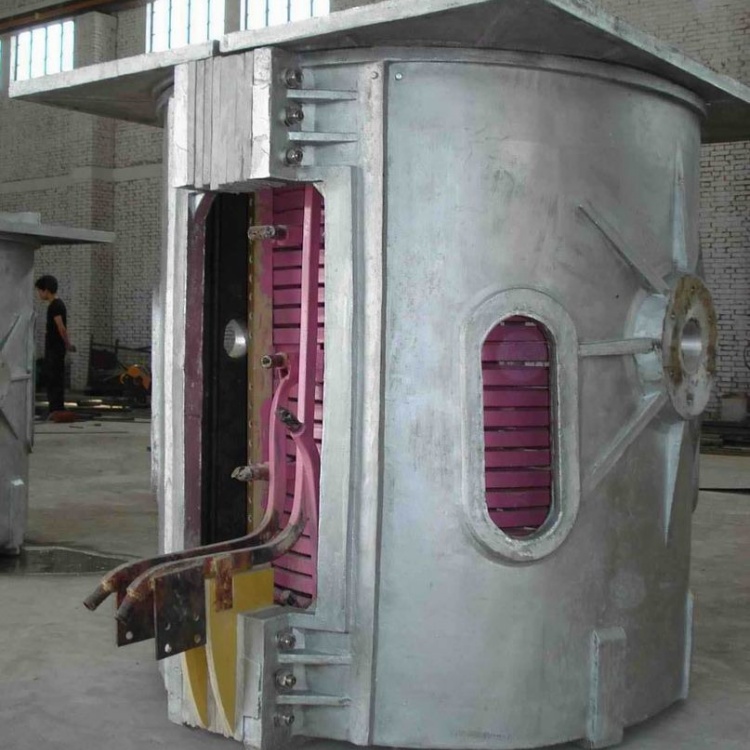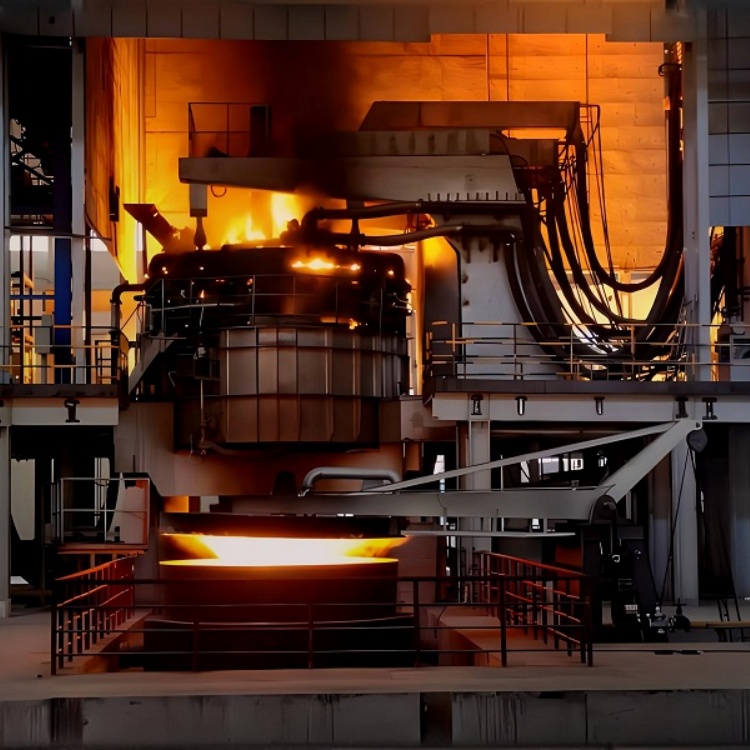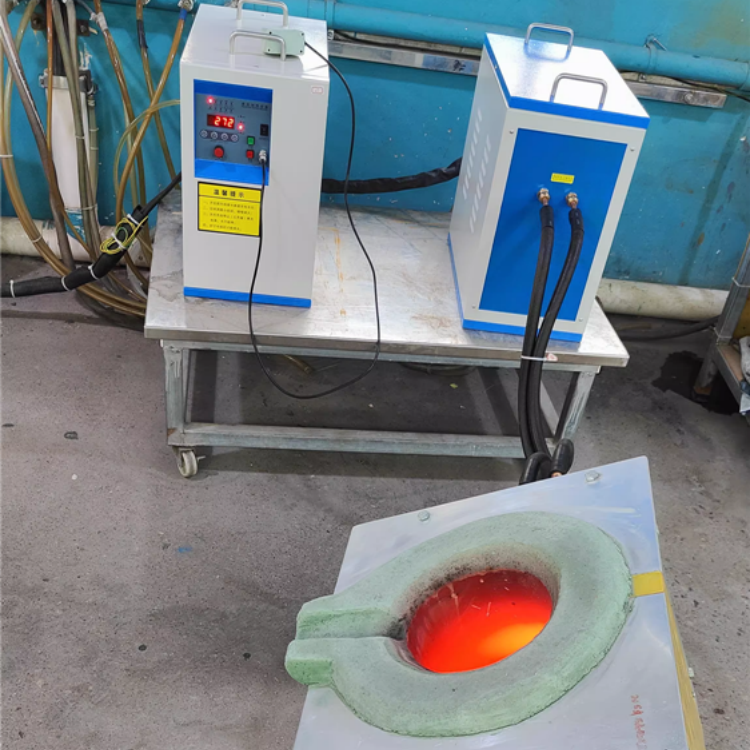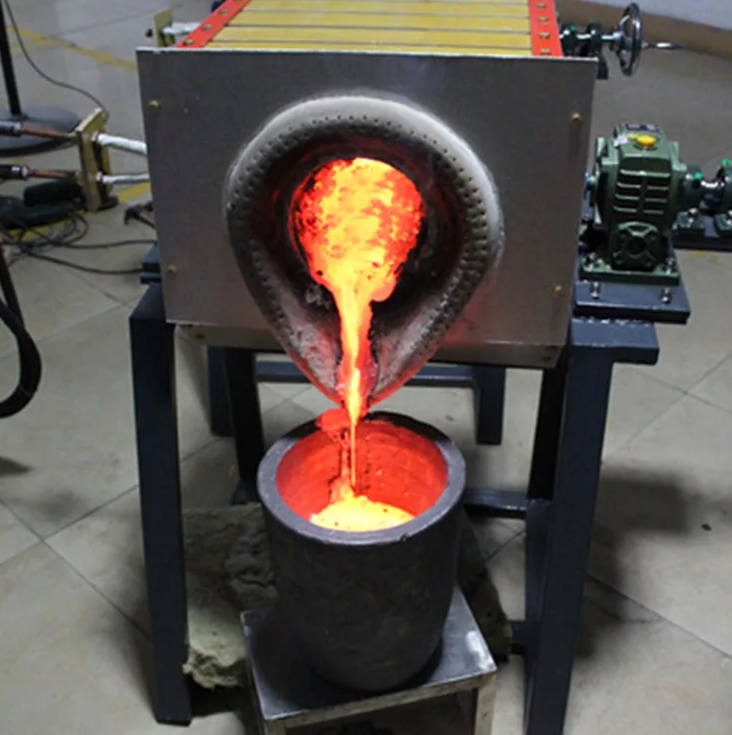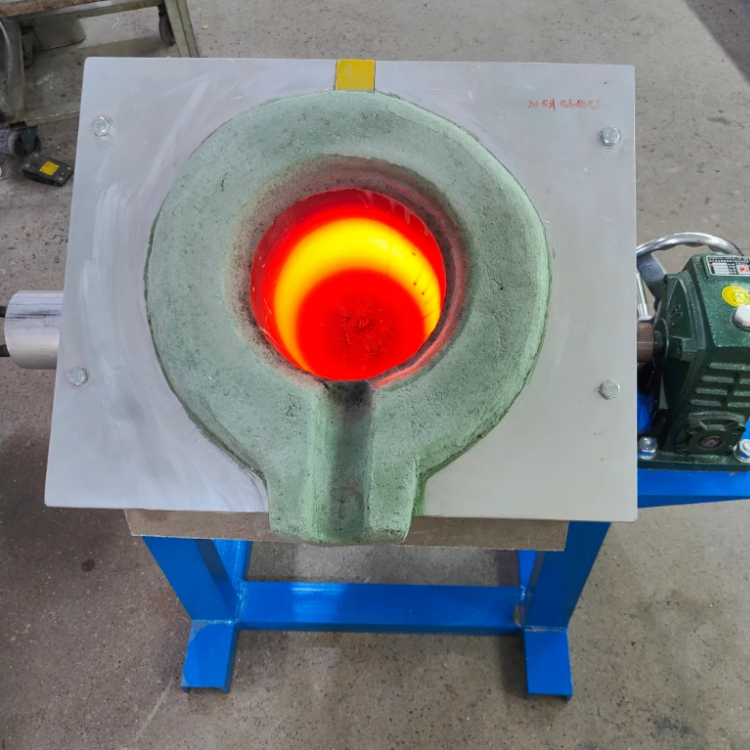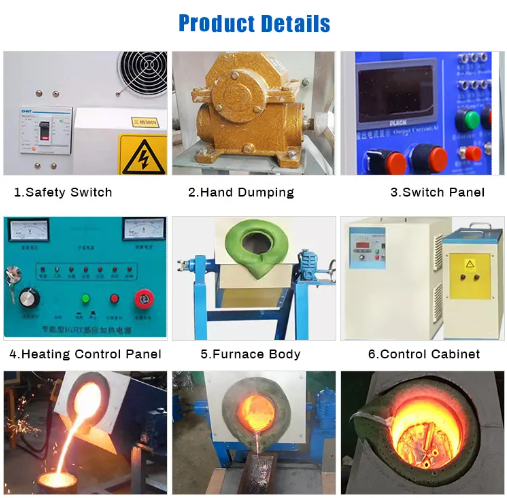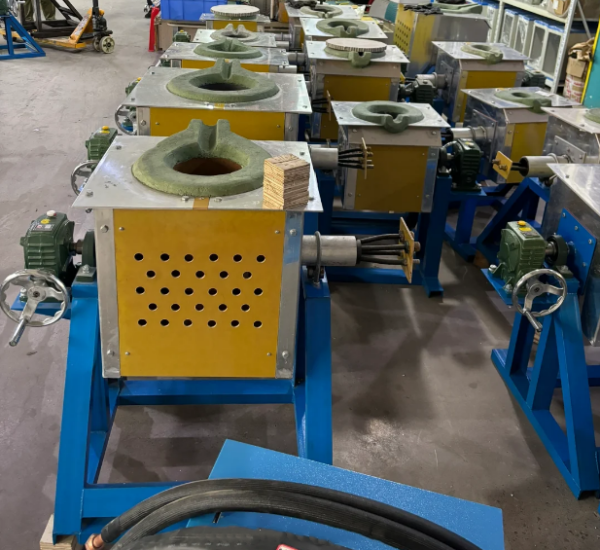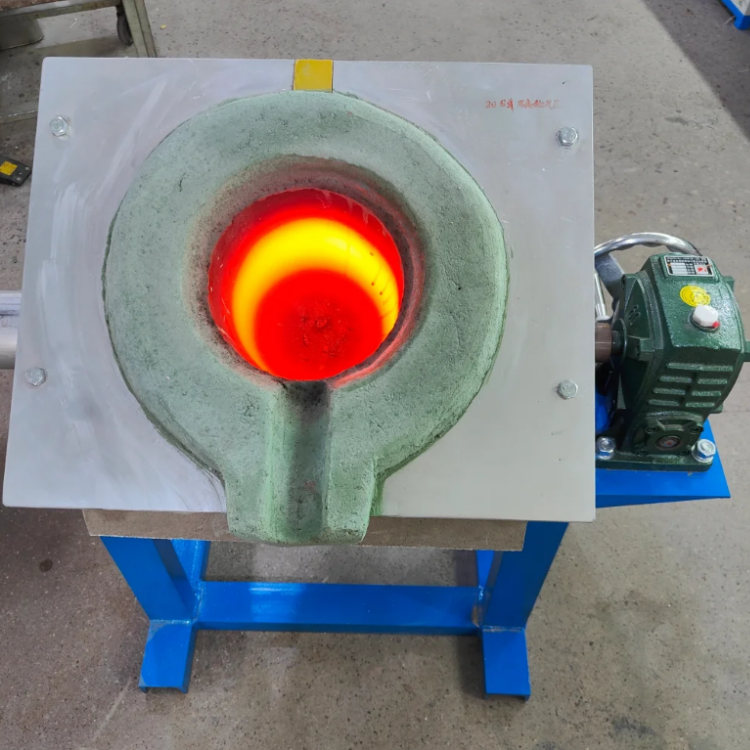
Small-scale induction melting furnaces reduce unit energy consumption costs through efficient operation, ensure the stability of melting quality via precise temperature control and composition adjustment, break scenario limitations with the feature of flexibly adapting to multi-material and small-batch production needs, and further solidify the production bottom line by means of a comprehensive safety protection system. This "four-dimensional integrated" advantage not only perfectly balances the core demand for economy in small-batch production scenarios, but also can provide reliable guarantees for high-precision melting requirements by virtue of millimeter-level temperature control accuracy and composition uniformity. It truly realizes the coordinated unification of "small batch" and "high quality", and becomes an efficient solution in the production of segmented fields.
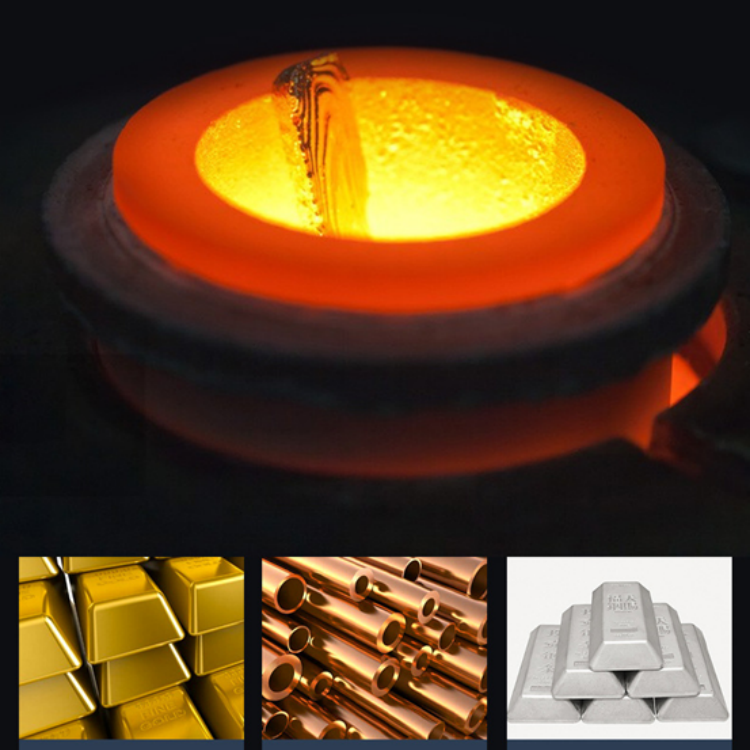
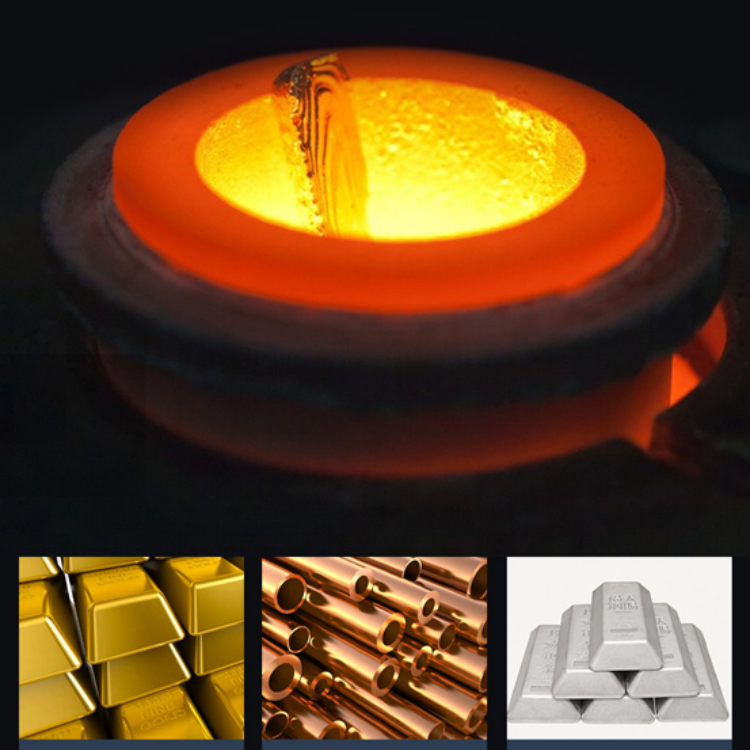
Induction melting furnaces, with their flexible heating methods and controllable melting environments, can adapt to the melting needs of various metals, covering a wide range:
Ferrous metals: Such as common structural metals like iron and steel. Induction melting furnaces can achieve precise temperature control by adjusting power, meeting the requirements for temperature stability during their melting process, and are suitable for the production of various iron and steel castings.
Non-ferrous metals: Including copper, aluminum, zinc, lead, tin, etc. For example, in the melting of aluminum, induction heating can quickly raise the temperature with uniform heat distribution, reducing the oxidation and burning loss of aluminum liquid; for the melting of copper, it can effectively control the melting temperature to ensure the composition uniformity of copper alloys.
Precious metals: Such as gold, silver, platinum, palladium, etc. Due to their high value, strict requirements are imposed on the control of loss during the melting process. The efficient heating and precisely controllable pouring function of induction melting furnaces can minimize the residue and loss of precious metals during melting and transfer, improving the utilization rate of raw materials.
Special alloys: Such as superalloys, precision alloys, wear-resistant alloys, etc. Superalloys need to be melted at extremely high temperatures, and the high power density heating capacity of induction melting furnaces can meet this demand.
Product Parameters