
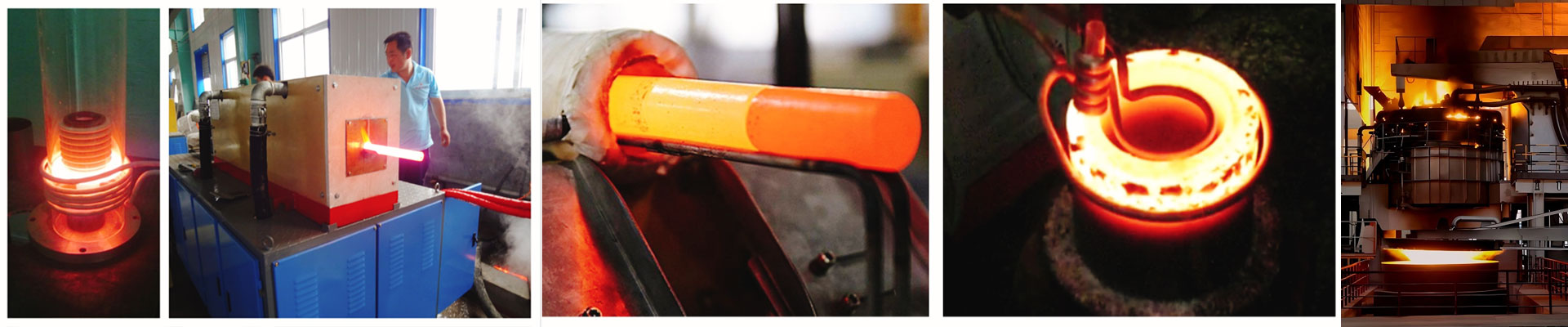
Carbon Credits and Metal Melting
Metal casting and forging operations face increasing pressure to reduce carbon emissions. Solar induction melting systems offer a compelling solution: they eliminate fossil fuel combustion during melting while simultaneously generating valuable carbon credits that can be sold on voluntary or compliance carbon markets.
How Carbon Credits Work
Carbon credits (also called carbon offsets) represent verified reductions in greenhouse gas emissions. One carbon credit typically equals one metric ton of CO2 equivalent (tCO2e). Foundries using solar power instead of grid electricity or fossil fuels can generate credits based on the verified emissions displacement.
Revenue Calculation
A 100kW induction furnace operating 8 hours/day consumes approximately 800kWh per day. In a region where grid electricity comes from fossil fuels (0.7 kg CO2/kWh average), this furnace displaces 560 kg CO2 per day or approximately 200 tonnes CO2 per year. At current carbon prices (USD 10-50/tonne), this generates USD 2,000-10,000 annually in carbon credit revenue.
Carbon Market Types
- Compliance Markets: EU ETS, California CAP, Chinese ETS - prices USD 25-100/tCO2e
- Voluntary Markets: Verra, Gold Standard - prices USD 5-50/tCO2e
- Carbon Tax Jurisdictions: Direct cost savings where carbon is taxed
Additional ESG Benefits
Beyond direct carbon credit revenue, solar induction systems enhance environmental compliance, support ESG reporting requirements, improve brand value for sustainability-focused customers, and may qualify for green financing at preferential interest rates.
